Oliso vs Rowenta Iron: Which Is Better for Quilting?
For quilting, the Oliso TG1600 Pro Plus is the better iron: at about $200 its auto-lift raises the 1,800 watt soleplate off the fabric when you let go, so it can rest flat beside your machine. Choose the Rowenta Steam Force Pro, about $140, if you want strong pump-driven steam for garments and yardage.
The verdict
Oliso is the better iron for quilters, because pressing seams means setting the iron down hundreds of times per project, and its auto-lift makes that safer and easier on your wrist. Rowenta is the better value for steam, and the Steam Force Pro suits sewists who press garments, curtains and yardage more than pieced blocks.
The Oliso TG1600 Pro Plus lowers when you touch the handle and lifts on small feet when you let go, so you never stand it on its heel. Oliso also lists a 30-minute auto-off for sewing sessions and a 30-second shutoff if the iron is tipped over. The Rowenta Steam Force Pro is a 1,850 watt pump-driven iron with a steam boost trigger and five fabric presets on a smart screen, but it is built for horizontal ironing and has no vertical steam.
Oliso vs Rowenta: side by side
| Feature | Oliso | Rowenta |
|---|---|---|
| Representative model | Oliso TG1600 Pro Plus | Rowenta Steam Force Pro |
| Price | About $200 | About $140 |
| Power | 1,800 W | 1,850 W |
| Signature feature | iTouch Auto-Lift raises iron off fabric | Pump-driven steam with boost trigger |
| Controls | Auto-off after 30 min, 30 sec if tipped | Smart screen with 5 presets |
| Soleplate | Diamond Ceramic-Flow with 2 in detailer tip | Stainless steel |
| Vertical steam | Yes | No |
| Weight | 3.7 lbs | Not listed in the specs we verified |
| Cord | 12 ft, 360-degree swivel | Check current listing |
Is the Oliso iron worth it for quilting?
For most quilters, yes. Quilters press rather than iron: you lift the iron, set it on a seam, and lift it again, instead of sliding it back and forth, because sliding stretches bias edges and distorts blocks. That rhythm is exactly what auto-lift is built for. You can leave the Oliso TG1600 Pro Plus flat on the board while you sew the next seam, and the lift keeps the hot soleplate off the fabric. Owners frequently mention less wrist strain from never tipping the iron upright.
The honest weakness is price and moving parts. The Oliso costs about $60 more than the Rowenta, and an iron with a motorized lift has more moving parts to wear than a plain steam iron, so keep your receipt and register the warranty. If you mostly press dry, which many quilters do while piecing, you are paying for the lift, not the steam.
Which iron is best for quilting: Oliso, Rowenta or a steam station?
Match the iron to what you press most. Blocks and seams reward control and a pointed tip. Wide backing fabric and garment yardage reward steam volume. A steam generator, which heats water in a separate boiler tank, produces far more steam than any hand iron and suits people who press large pieces for long sessions.
| Model | Type | Key specs | Price | Best for |
|---|---|---|---|---|
| Rowenta Pro Master | Steam iron | 1,775 W, 210 g/min steam, auto shutoff | About $120 | A dependable budget iron |
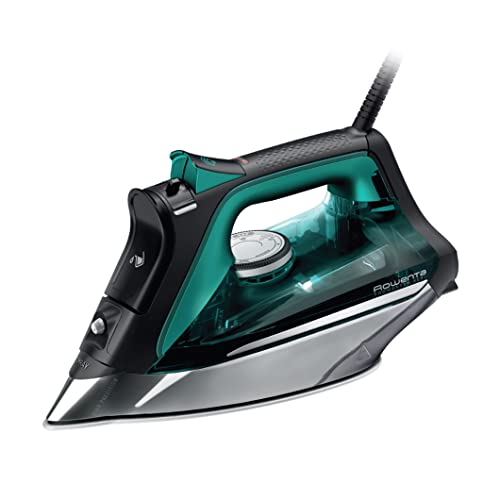
| Rowenta Steam Force Pro | Steam iron | 1,850 W, 5 presets, horizontal steam only | About $140 | Garments and yardage |
| Oliso TG1600 Pro Plus | Auto-lift iron | 1,800 W, 3.7 lbs, 12 ft swivel cord | About $200 | Pressing seams beside the machine |
| Reliable Velocity 270IR | Steam iron | 8 heat settings, continuous sensor-touch steam, 8 min auto shutoff can be bypassed | About $229 | Long pressing sessions |
| Rowenta Master Steam | Steam station | 1.7 L removable tank, boost up to 320 g/min | About $200 | Backing fabric and big tops |
| Rowenta Ultimate Steam Pro | Boiler steam generator | 1.3 L tank, 3 min heat-up | About $450 | Heavy daily pressing |
Many quilters end up with two tools: a main iron at the board and a small iron beside the machine. The Oliso M3Pro is a 1,000 W mini iron with a tap water tank, and the Clover Mini Iron is a tiny applique iron for bias strips and tight spots.
Should you use steam when pressing quilt blocks?
It depends on the stage. Steam and heavy pressure can stretch small pieces and bias edges out of shape, so many quilters press seams dry while piecing and use steam on finished blocks or tops. A light mist from a spray bottle gives control without a steam trigger. When you do want steam, the Rowenta delivers more of it per dollar.
A good iron also needs a good surface. See wool pressing mat vs ironing board before you put a hot, steaming iron on a wool mat on a wooden table.
Choose Oliso if
- You press seams all day and want to set the iron down flat.
- Wrist strain from tipping an iron upright bothers you.
- You want vertical steam and a long 12 ft swivel cord.
- You want a tipped-over shutoff and a sewing-length auto-off.
Choose Rowenta if
- You press garments, curtains or yardage more than blocks.
- You want strong pump-driven steam for about $140.
- You like fabric presets on a screen.
- You never need vertical steam for hanging fabric.
Our picks by pressing style
Rowenta Pro Master Steam Iron DW8360
$119.99A 1,775 W stainless steel iron with 210 g/min steam and auto shutoff for about $120.
Check price
Oliso TG1600 Pro Plus Auto-Lift Steam Iron
$199.99Auto-lift pressing for quilters who sew and press in one spot.
Check price
Rowenta Steam Force Pro Steam Iron DW9580
$139.95Pump-driven steam and five presets for garment sewists.
Check price
Rowenta Ultimate Steam Pro Steam Station DG8668
$449.95A boiler steam generator for heavy pressing of backs and whole tops.
Check pricePrices change often, so confirm on Amazon. As an Amazon Associate we earn from qualifying purchases.
This comparison is drawn from published specifications, owner manuals and the consensus of verified owner reviews, not side-by-side testing.
Frequently asked questions
Is Oliso better than Rowenta?
For quilting, usually yes, because the Oliso TG1600 Pro Plus auto-lift suits the lift-and-press rhythm of piecing. For garment sewing and yardage, the Rowenta Steam Force Pro offers strong pump-driven steam for less money. Neither is better for everyone. Decide whether your pressing is mostly seams at the machine or large pieces at the board.
Why do quilters love the Oliso iron?
Quilters love it because it can rest flat on the fabric. Touch the handle and the iron lowers, let go and small feet lift the soleplate, so you never stand it on its heel between seams. That reduces wrist strain and the risk of knocking over an upright iron. Oliso also lists a 30-minute auto-off, long enough for a sewing session.
Does the Rowenta Steam Force Pro have vertical steam?
No. The Rowenta Steam Force Pro DW9580 is built for horizontal ironing and has no vertical steam, so it is not the tool for steaming hanging curtains or garments. If you want both, the Oliso TG1600 Pro Plus offers horizontal and vertical steam, or a steam station handles hanging fabric well.
Do I need a steam generator for quilting?
Most quilters do not. A good steam iron handles blocks and tops. A steam generator such as the Rowenta Master Steam Station makes sense if you press wide backing fabric, garment yardage or many quilts, because its separate tank delivers far more steam per session. It takes more room and needs a stable board that can carry the base.
What wattage iron is best for quilting?
Around 1,700 to 1,850 watts is typical for full-size steam irons, and all the full-size irons here fall in that range. Wattage mainly affects how quickly the soleplate heats and recovers after steam. Beyond that, soleplate shape, weight, steam control and safety features matter more for quilters than a small difference in watts.
How we research: we compare manufacturer specifications, owner manuals, published standards and recurring themes in verified owner reviews. We do not test products in person, and this is researched guidance, not professional advice. Follow your machine manual and pattern, and take care with rotary cutters, hot irons and needles. As an Amazon Associate we earn from qualifying purchases.