Beginner Sewing Room Setup: A Complete Sewing Corner for About $1,055
A complete beginner sewing corner costs about $1,055 and centers on the Sew Ready folding multipurpose sewing table, 47.5 by 28 inches with a drop-down machine platform. Add an armless task chair, a folding cutting table with an Olfa mat and cutter, a Rowenta iron and wool mat, an OttLite floor lamp, a machine light and an IRIS drawer cart.
Beginner setup
You do not need a dedicated room to sew well. You need a flat surface at the right height, a chair that lets you reach the pedal, somewhere to cut, somewhere to press, good light and a place for everything to live between sessions. This setup fits all of that into a corner of a guest room or living room for about $1,055 across 15 lines, and most of it folds away.
The centerpiece is the Sew Ready Folding Sewing Table, about $150. Its 47.5 by 28 inch top has a drop-down machine platform with six height settings, so the bed of many machines can sit closer to flush with the table. That is the single change that makes fabric feed straighter and quilts drag less. Your sewing machine is not included in this list; see our beginner sewing machine picks.
Everything in the beginner sewing room setup
The sewing surface
A drop-down platform lowers the machine into the table so fabric slides across one level surface instead of climbing onto the machine bed.
| Item | Why this one | Qty | Price | Buy |
|---|---|---|---|---|
 Sew Ready Folding Sewing Table Sew Ready Folding Sewing Table | A 47.5 by 28 inch top with a drop-down machine platform adjustable to six heights, and it folds. The intermediate tier moves to a wider 56.75 inch table with drawers; the expert tier to a hydraulic lift cabinet. | 1 | $149.99 | Price |
| The sewing surface subtotal | $149.99 | |||
Seating
| Item | Why this one | Qty | Price | Buy |
|---|---|---|---|---|
 Boss Perfect Posture Armless Chair Boss Perfect Posture Armless Chair | An armless task chair with pneumatic seat height, adjustable back depth, built-in lumbar support and a waterfall seat edge. Armless matters at a sewing table, because arms catch on the table edge and on fabric. The intermediate tier moves to a purpose-built hydraulic sewing chair with storage. | 1 | $79.99 | Price |
| Seating subtotal | $79.99 | |||
Cutting station
Cutting on a dining table at 29 or 30 inches means bending over the mat. A taller surface is easier on the back.
| Item | Why this one | Qty | Price | Buy |
|---|---|---|---|---|
 Sew Ready Standing Cutting Table Sew Ready Standing Cutting Table | A 36.5 inch high table with a 58.75 inch wide work surface, two 24 inch leaves and six casters, four locking. It folds to 12.25 inches wide to roll against a wall. The intermediate tier adds a sturdier table with a built-in ironing board. | 1 | $134.99 | Price |
 Olfa 24x36 Mat Olfa 24x36 Mat | A double-sided 24 by 36 inch self-healing mat, 1.5 mm thick, with a grid side and a plain side. 24 by 36 fits a folded width of quilting cotton. | 1 | $59.99 | Price |
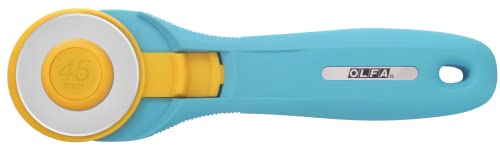 Olfa RTY-2/C 45mm Olfa RTY-2/C 45mm | A 45 mm rotary cutter with a tungsten tool steel blade, rated for up to 8 layers of cotton. The standard first cutter size. | 1 | $14.28 | Price |
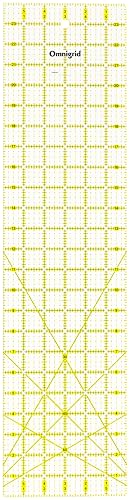 Omnigrid 6x24 Omnigrid 6x24 | A 6 by 24 inch ruler with 1/8 inch edge markings, a 1/4 inch grid and 30, 45 and 60 degree lines, long enough to cut across folded fabric in one pass. | 1 | $25.59 | Price |
| Cutting station subtotal | $234.85 | |||
Pressing station
| Item | Why this one | Qty | Price | Buy |
|---|---|---|---|---|
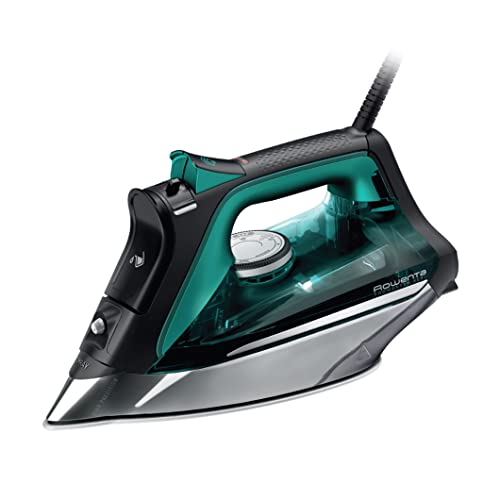 Rowenta Pro Master Rowenta Pro Master | A 1,775 W iron with 210 g/min steam, a stainless steel soleplate and auto shutoff. Plenty of steam for garment seams and quilt blocks. | 1 | $119.99 | Price |
 PQT Wool Mat 17x24 PQT Wool Mat 17x24 | A 17 by 24 inch 100% New Zealand wool pressing mat that sits on the cutting table, so you press beside where you cut without an ironing board in a small corner. | 1 | $34.99 | Price |
 Bartnelli 19x48 Board Optional Bartnelli 19x48 Board Optional | A 19 by 48 inch board with a four-layer heat resistant cover, iron rest and shelf. Needed for pressing garments and yardage; optional if you mainly piece quilt blocks on the wool mat. | 1 | $99.99 | Price |
| Pressing station subtotal | $254.97 | |||
Lighting
| Item | Why this one | Qty | Price | Buy |
|---|---|---|---|---|
 OttLite ClearSun Floor OttLite ClearSun Floor | Adjusts from 47.5 to 64 inches with a CRI of 95 plus and three brightness levels. A corner rarely has good overhead light, and color accurate light makes thread matching reliable. | 1 | $139.99 | Price |
 Madam Sew Light Strip Madam Sew Light Strip | A 12 inch trimmable strip with 24 LEDs at 6500K, powered by USB with a 98 inch cord. It sticks under the machine arm and lights the needle area that built-in bulbs often leave dim. | 1 | $19.99 | Price |
| Lighting subtotal | $159.98 | |||
Thread and fabric storage
| Item | Why this one | Qty | Price | Buy |
|---|---|---|---|---|
 IRIS 10-Drawer Cart IRIS 10-Drawer Cart | A 14.25 by 12.05 inch footprint, 41.81 inches tall, with ten 9.5 by 12.5 inch drawers and removable wheels, made in the USA. Notions, patterns and bobbins in a slim tower that tucks beside the table. | 1 | $69.99 | Price |
 Threadart 120 Spool Rack Threadart 120 Spool Rack | Holds 120 spools on 1.5 inch pegs in a 15 by 24 inch frame, freestanding or wall mounted. Seeing every color at once saves buying duplicates. | 1 | $44.99 | Price |
 Amazon Basics Storage Cubes Amazon Basics Storage Cubes | Six 13 inch fabric cubes with handles for folded yardage and projects in progress. They fit standard cube shelving or stack on a closet shelf. | 1 | $19.94 | Price |
| Thread and fabric storage subtotal | $134.92 | |||
Design wall
| Item | Why this one | Qty | Price | Buy |
|---|---|---|---|---|
 Missouri Star Design Wall Optional Missouri Star Design Wall Optional | A 62 by 72 inch cotton flannel wall with a 5 inch grid. Quilt blocks and garment pieces cling without pins so you can step back and see the layout. Optional for garment-only sewists. | 1 | $39.95 | Price |
| Design wall subtotal | $39.95 | |||
About $1,055 for the whole corner, including the optional ironing board and design wall; without those two it is roughly $915. The sewing machine itself is not included.
Prices were current when compiled and change often, so confirm each on Amazon. Lines marked "See price" have no verified listing price and are left out of the total rather than guessed. As an Amazon Associate we earn from qualifying purchases, at no extra cost to you.
What you can skip for now
Skip a sewing cabinet at this stage. A lift cabinet like the Kangaroo Bandicoot is lovely, but it is about $1,000 and heavy. Learn how you sew first.
Skip a rotating cutting mat and a die cutter. The Olfa 17in Rotating Mat and an AccuQuilt GO! Me speed up repetitive quilt cutting, but a straight mat, cutter and ruler do every job while you learn.
What to upgrade first
1. The chair. If you sew more than an hour at a time, a dedicated sewing chair like the Arrow Hydraulic Sewing Chair with an 18 to 22 inch seat range makes more difference to comfort than any table.
2. The cutting table. A larger, steadier surface such as the Arrow Millie adds a folding ironing board and 59 by 37 inches of cutting space.
3. Light. A brighter daylight floor lamp like the Daylight Slimline 4 Floor helps with dark fabric and black thread.
How much space do you need for a sewing room?
Less than most people expect. A working sewing corner needs room for the sewing table and chair, a cutting surface, a pressing spot and a storage tower, plus space to walk between them. The table below is general planning guidance based on the footprints of the furniture in each setup, not a building standard; measure your own room and leave space for doors and windows to open.
| Setup | Suggested floor area | Main footprints | Planning notes |
|---|---|---|---|
| Beginner corner | About 6 x 8 ft | Sewing table 47.5 x 28 in; cutting table 58.75 in wide open, 12.25 in folded; cart 14.25 x 12.05 in | Fold the cutting table away between sessions; press on a wool mat |
| Intermediate spare room | About 10 x 10 ft | Sewing table 56.75 x 23.75 in; cutting table 59 x 37 in open | Allow walking room on at least two sides of the cutting table |
| Expert dedicated room | About 12 x 14 ft or larger | Cutting table 70 x 40 in open; lift cabinet plus leaves; ironing station; storage cabinet | Plan outlets for machine, iron and lamps before furniture arrives |
| Any setup | Chair zone | About 3 ft behind the sewing table | Room to push back and stand without hitting furniture |
| Any setup | Walkways | About 30 to 36 in | Wider if you carry quilts or use a walker or cane |
For a full room walkthrough, read how to set up a sewing room. If you are choosing between a table and a cabinet, see our sewing table and sewing cabinet roundups.
What is the best height for a cutting table?
A cutting table should let you stand upright with the mat roughly at hip height, so you press down on the rotary cutter with your body weight rather than hunching. For many adults that is somewhere around 36 to 40 inches, taller than a 29 to 30 inch dining table. The Sew Ready Standing Cutting Table is 36.5 inches, a common kitchen counter height.
If you are tall, or you want one surface for sitting and standing work, a height-adjustable bench like the FLEXISPOT Electric Workbench (28.1 to 45.7 inches) is an alternative. Our cutting table roundup compares heights and surfaces.
Rotary cutter habits
Close the blade guard every time you set the cutter down, cut away from your body, and keep the fingers of your ruler hand well back from the edge. Store cutters out of reach of children.
How do you set up a sewing room in a small space?
- Work in a triangle. Put the sewing table, cutting table and pressing mat close enough that you can turn in the chair or take a step between them.
- Choose folding and rolling pieces. The cutting table folds to 12.25 inches, and the IRIS 10-Drawer Cart rolls into a closet.
- Go vertical. A wall-mounted Threadart 120 Spool Rack frees table space.
- Light the corner deliberately. A floor lamp beside the machine plus a machine light removes shadows.
To size fabric storage, estimate how much yardage you actually keep with the yardage converter and the fabric yardage chart, then buy cubes for that, not for the stash you might have someday.
Frequently asked questions
How much does it cost to set up a sewing room?
A complete beginner sewing corner costs about $915 to $1,055 without the machine: a drop-down sewing table, an armless task chair, a folding cutting table with mat, rotary cutter and ruler, an iron with a wool pressing mat, a floor lamp, a machine light and basic storage. A dedicated intermediate room is about $2,300, and a cabinet-based expert room can reach $8,000.
Do you need a special table for sewing?
You do not need one to start, but a sewing table helps. A table with a drop-down platform, like the Sew Ready multipurpose table, lowers the machine so its bed is closer to level with the tabletop. Fabric then feeds flat instead of dragging over the edge of the machine, which improves straight seams and makes quilting less of a wrestle. Any sturdy table that does not wobble will do for a first project.
What kind of chair is best for sewing?
An armless, height-adjustable chair is best, so the armrests do not catch on the table edge or fabric and you can set your elbows level with the machine bed. Lumbar support helps over long sessions. The Boss Perfect Posture chair is a budget option, and the Arrow hydraulic sewing chair is designed for sewing with an under-seat storage compartment.
What lighting is best for a sewing room?
Combine a color accurate floor or task lamp with a light on the machine itself. Look for a CRI of 95 or higher so thread and fabric colors match what you will see in daylight. The OttLite ClearSun floor lamp lists a CRI of 95 plus, and a strip like the Madam Sew LED light brightens the needle area. Overhead lighting alone usually casts your hands in shadow.
Should I iron on an ironing board or a wool mat?
For quilt piecing, a wool pressing mat on a table is often more convenient, because it holds heat, keeps blocks from shifting and can sit right beside your cutting area. For garments, yardage and pressing sleeves, an ironing board is more practical. Many sewists own both, which is why this setup lists the wool mat as core and the extra-wide board as optional.
How we research: we compare manufacturer specifications, owner manuals, published standards and recurring themes in verified owner reviews. We do not test products in person, and this is researched guidance, not professional advice. Follow your machine manual and pattern, and take care with rotary cutters, hot irons and needles. As an Amazon Associate we earn from qualifying purchases.