Best Spinning Wheel (2026): 5 Wheels Plus Spindles and Carders
The best spinning wheel for most beginners is the Ashford Kiwi 3, about $629: a 12 lb wheel with 5.5, 7.5 and 9.5 to 1 ratios and three 90 mm bobbins. Spinners who want finer yarn should consider the Ashford Traveller 3, about $859, with ratios up to 14 to 1. A $39 drop spindle is the cheapest way to learn drafting first.
For most new spinners, the Ashford Kiwi 3 is the wheel to start on. For about $629 you get a light 12 lb wheel with three ratios (5.5, 7.5 and 9.5 to 1) and three 90 mm bobbins that each hold about 4.5 oz. Its lower ratios favor the medium and thicker yarns most beginners naturally spin. It arrives unfinished and needs assembly.
A spinning wheel twists fiber into yarn and winds it onto a bobbin as you treadle. If you are not yet sure you will enjoy spinning, a Schacht Hi-Lo 4" costs about $39 and teaches drafting, the core skill, on a handheld tool.
Spinning wheels at a glance
| Product | Price | Ratios | Bobbins | Notable spec | Buy |
|---|---|---|---|---|---|
 Ashford Kiwi 3 Ashford Kiwi 3 | $629.00 | 5.5, 7.5, 9.5:1 | 3 x 90 mm (4.5 oz) | 12 lb, unfinished | Price |
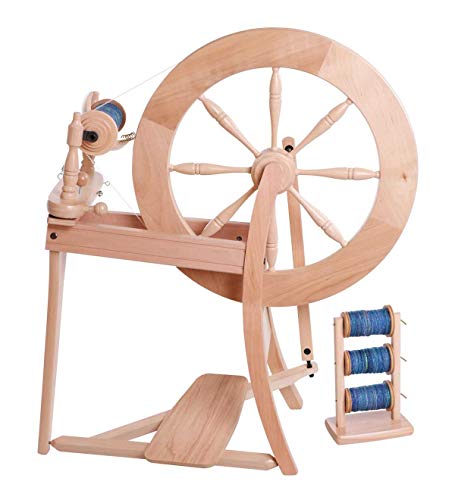 Ashford Traditional Ashford Traditional | $829.00 | 7, 9, 12, 17:1 | 4 | 22 in wheel, 17.5 lb | Price |
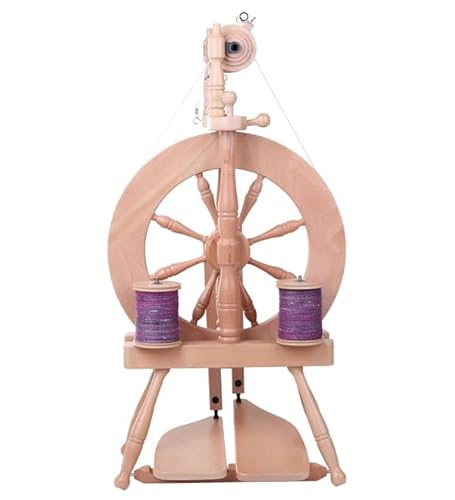 Ashford Traveller 3 Ashford Traveller 3 | $859.00 | 5, 7, 9, 14:1 | 3 x 90 mm | 18 in wheel, 31.75 in orifice height | Price |
 Ashford e-Spinner 3 Ashford e-Spinner 3 | $899.00 | Electric, variable | 3 jumbo, 225 g (8 oz) | 12V DC 70 W motor | Price |
 Schacht Sidekick Schacht Sidekick | $1,350.00 | See listing | Shares parts with other Schacht wheels | Scotch tension, built-in storage | Price |
Beginner
Beginner picks: learn to draft, then a first wheel
You can start spinning for under $40 on a spindle, or go straight to a wheel. Many spinners do both: a spindle to learn the feel of drafting, then a wheel for speed.
Ashford Kiwi 3 Spinning Wheel, Unfinished
$629.00Ratios of 5.5, 7.5 and 9.5 to 1, three 90 mm bobbins holding about 4.5 oz each, 12 lb, about $629. Unfinished wood and assembly required, which keeps the price down.
Best for: A first wheel
Check price
Schacht Hi-Lo Drop Spindle, 4 inch
$38.92A hard maple drop spindle with a 4 inch whorl, 12 inches long and about 3 oz, about $39. It works as a high-whorl or low-whorl spindle and is a gentle, inexpensive way to learn drafting.
Best for: Learning to draft
Check price
Ashford Niddy Noddy
$38.50An unfinished beech niddy noddy that winds 60 inch (1.5 m) skeins, about $39. Every wheel spinner needs a way to skein yarn off the bobbin for washing and measuring.
Best for: Skeining finished yarn
Check pricePrices change often, so confirm on Amazon. As an Amazon Associate we earn from qualifying purchases.
Intermediate
Intermediate picks: wider ratio ranges and fiber prep, about $38 to $859
Once you can spin a consistent yarn, higher ratios let you spin finer yarn faster, and fiber prep tools let you blend colors and use raw fleece.
Ashford Traveller 3 Spinning Wheel, Unfinished
$859.00Ratios of 5, 7, 9 and 14 to 1, an 18 inch wheel, three 90 mm bobbins and a 31.75 inch orifice height, about $859. The 14 to 1 ratio makes fine and sock-weight yarns much quicker than on a Kiwi.
Best for: Fine yarns in a compact wheel
Check price Ashford Traditional Spinning Wheel, Single Drive, Unfinished
$829.00The classic look, with a 22 inch wheel, four bobbins, 17.5 lb and ratios of 7, 9, 12 and 17 to 1, about $829. The highest ratio here for lace and fine yarn.
Best for: Fine yarn, classic style
Check price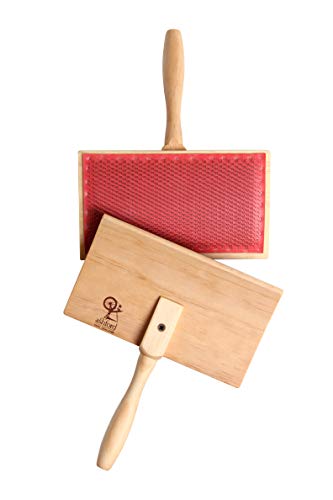
Ashford Classic Wool Hand Carders
$89.00A pair of hand carders with 72 point stainless steel carding cloth, about $89. Used to open, blend and align washed fleece into rolags for woolen-style spinning.
Best for: Preparing fleece by hand
Check price
Revolution Fibers Turkish Drop Spindle, Rosewood
$38.00A Turkish spindle with a 10.25 inch shaft and 5 inch cross arms that disassembles to release a wound center-pull ball, about $38. A portable companion to any wheel.
Best for: Spinning on the go
Check pricePrices change often, so confirm on Amazon. As an Amazon Associate we earn from qualifying purchases.
Expert
Expert picks: electric spinning, a travel wheel and a drum carder
Who should not buy this tier: new spinners who have not yet learned to draft consistently. An electric spinner or drum carder does not make learning faster; they reward spinners who already know what yarn they want to make.
Ashford e-Spinner 3 Electric Spinner, Lacquered
$899.00An electric spinner with a 12V DC 70 W motor, three jumbo bobbins holding about 225 g (8 oz), a lazy kate, carry bag and foot controller, about $899. No treadling, which suits spinners with knee or hip concerns and anyone plying large batches.
Best for: No treadling, big bobbins
Check price Schacht Sidekick Spinning Wheel with Flyer
$1,350.00A Schacht wheel with Scotch tension and a precise control knob, with built-in storage for bobbins, flyer and whorls for transport, about $1,350. According to the listing, it uses the same bobbins, whorls and flyer as other Schacht wheels.
Best for: A premium travel wheel
Check price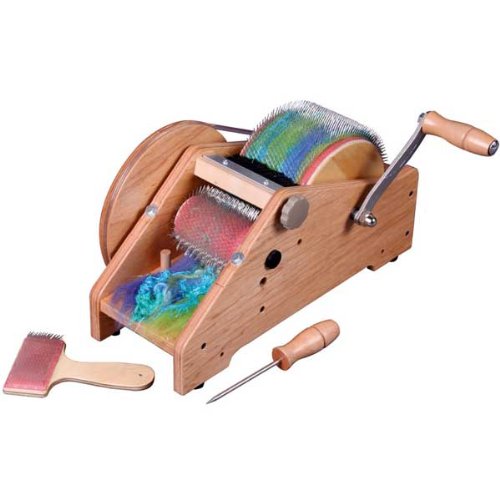
Ashford Wild Drum Carder
$719.00A drum carder with a 4 inch carding width, 1.5 oz (40 g) capacity, 6 to 1 ratio and 7.5 lb weight, about $719. It makes fiber batts far faster than hand carders and is popular for textured art yarn blends.
Best for: Fast fiber prep and art batts
Check pricePrices change often, so confirm on Amazon. As an Amazon Associate we earn from qualifying purchases.
What do spinning wheel ratios mean?
A ratio is how many times the flyer turns for each full turn of the drive wheel. At 7 to 1, the flyer spins seven times per treadle revolution. Higher ratios put more twist into each length of yarn for the same treadling, which suits finer yarns. Lower ratios suit thicker yarns that need less twist. These ranges are typical guidance; spinning speed and drafting also matter.
| Ratio range | Yarn it favors | Wheels here that reach it |
|---|---|---|
| About 5 to 7:1 | Bulky, art yarn, plying thick yarns | Kiwi 3, Traveller 3, Traditional |
| About 7 to 10:1 | Worsted to DK | Kiwi 3, Traveller 3, Traditional |
| About 12 to 14:1 | Sport to fingering | Traveller 3, Traditional |
| About 17:1 | Fine and lace | Traditional |
Compare your target yarn against the yarn weight chart, and see how to choose yarn weight for what each weight is used for.
Should you start with a drop spindle or a spinning wheel?
A drop spindle costs about $38 to $39 and teaches drafting, the skill of drawing out fiber evenly while twist enters. It is slow but portable and a low-risk way to find out whether you enjoy spinning. A wheel is much faster and frees both hands for drafting, which many people find easier once they have the basic idea. If budget allows, starting directly on a wheel like the Ashford Kiwi 3 is common and works well, especially with a local class or video lessons.
Ashford Kiwi 3 or Traveller 3: which should you buy?
The Ashford Kiwi 3 is lighter (12 lb), less expensive and focused on medium to thicker yarn with ratios from 5.5 to 9.5 to 1. The Ashford Traveller 3 costs about $230 more and adds a 14 to 1 ratio, an 18 inch wheel and a compact upright shape. If you mostly want worsted and chunky yarn, the Kiwi is enough. If you picture yourself spinning sock yarn, the Traveller saves an upgrade later. Our Ashford Kiwi vs Traveller comparison and Ashford Kiwi 3 review go deeper.
Is an electric spinner worth it?
For some spinners, very much so. The Ashford e-Spinner 3 removes treadling entirely, which matters for people with knee, hip or ankle discomfort, and it is compact enough to spin at a desk. Its jumbo 225 g bobbins suit plying large batches and art yarn. The trade-offs are cost, about $899, and a different feel: many spinners enjoy the rhythm of treadling. It is not a shortcut for learning to draft.
What else do you need to spin yarn?
Beyond the wheel, a few tools make the process complete.
| Tool | What it does | Example | Approximate price |
|---|---|---|---|
| Niddy noddy | Winds yarn into skeins for washing and measuring | Ashford Niddy Noddy | $39 |
| Hand carders | Open and blend washed fleece into rolags | Ashford Wool Hand Carders | $89 |
| Drum carder | Makes fiber batts quickly | Ashford Wild Carder | $719 |
| Drop spindle | Portable spinning and learning | Schacht Hi-Lo 4" | $39 |
| Swift and ball winder | Turn finished skeins into cakes | Stanwood bundle | $122 |
Seat height matters
Spinners usually want a firm chair without arms, at a height where thighs are roughly level and feet rest flat on the treadles. An adjustable chair makes it easy to find that position for any wheel.
For turning skeins into usable cakes, see best yarn swift and ball winder. Many spinners go on to weave their handspun; see best rigid heddle looms.
How we chose
We did not test these wheels in person. We compared manufacturer specifications (ratios, wheel diameter, bobbin count and capacity, weight, orifice height, drive and tension details where published), verified listings, and recurring themes in verified owner reviews about assembly, treadling comfort, portability, noise and parts availability. Ratio and yarn pairings are general spinning guidance.
Buying tips
- Match ratios to the yarn you want: lower for thick, higher for fine.
- Check bobbin capacity; bigger bobbins mean fewer interruptions when plying.
- Consider weight and size if you will take the wheel to classes or guilds.
- Budget for a niddy noddy and fiber prep tools.
- Unfinished wheels need assembly and usually a wood finish.
- Take a class or find a guild; a few in-person tips speed learning.
Frequently asked questions
What is the best spinning wheel for a beginner?
The Ashford Kiwi 3 is one of the most popular beginner wheels because it costs about $629, weighs 12 lb and has ratios of 5.5, 7.5 and 9.5 to 1, which suit the medium and thicker yarns beginners usually spin. It needs assembly and finishing. For a wider ratio range, the Ashford Traveller 3 costs about $859.
How much does a good spinning wheel cost?
A good new wheel from a major maker typically starts around $600 to $650, with popular intermediate wheels around $800 to $900 and premium wheels well above $1,000. Electric spinners start around the same price as mid-range wheels. Used wheels can cost less but check for missing bobbins, flyers and drive bands, and confirm parts are still available.
Is it hard to learn to spin yarn?
The first yarn is usually lumpy, and that is normal. Most people need several practice sessions to coordinate treadling with drafting, and a few weeks to spin a fairly consistent yarn. A drop spindle, a local class or video lessons all help. Starting with well-prepared wool roving, rather than slippery fibers or raw fleece, makes early practice much easier.
What is the difference between single drive and Scotch tension?
On a single drive wheel with flyer lead, the drive band turns the flyer, and a separate brake on the bobbin controls how quickly yarn winds on. Scotch tension works the same way with a brake band on the bobbin controlled by a tension knob, like the one on the Schacht Sidekick. Double drive uses one looped band on both flyer and bobbin. Each feels different; many beginners find Scotch tension intuitive.
Can you spin yarn without a spinning wheel?
Yes. Drop spindles, like the Schacht Hi-Lo and Turkish spindles, spin excellent yarn and cost under $40. They are slower than a wheel but portable, quiet and great for learning drafting. Many experienced spinners keep spindles for travel and fine yarns even after buying a wheel.
How we research: we compare manufacturer specifications, owner manuals, published standards and recurring themes in verified owner reviews. We do not test products in person, and this is researched guidance, not professional advice. Follow your machine manual and pattern, and take care with rotary cutters, hot irons and needles. As an Amazon Associate we earn from qualifying purchases.