Best Yarn Swift and Ball Winder (2026): 7 Picks and Combos
The best yarn swift and ball winder combo for most knitters is the Stanwood metal winder and Amish swift bundle, about $122, with a 10 oz winder that handles big skeins. For standard 100 g hanks, the Knit Picks winding bundle, about $80, is enough. Knitters with sore hands should consider the Olikraft electric winder with a foot pedal.
For most knitters and crocheters, the Stanwood Winder + Amish Swift is the combo to buy once. At about $122 it pairs a 10 oz metal ball winder with a tabletop Amish-style swift, so it handles everything from a 100 g sock hank to a big worsted skein. If you mostly buy standard 100 g hanks, the Knit Picks Winder + Swift costs about $80 and does the job well.
A swift holds a loose hank of yarn open so it can spin while unwinding. A ball winder pulls that yarn into a flat-topped, center-pull cake that sits still in a bowl while you knit. Together they turn a 30 minute tangle-prone chore into about five minutes.
Swifts and winders at a glance
| Product | Price | What it is | Capacity or fit | Mounting | Buy |
|---|---|---|---|---|---|
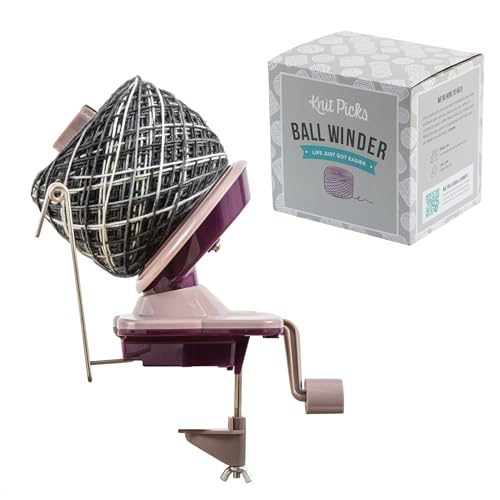 Knit Picks Ball Winder Knit Picks Ball Winder | $19.99 | Hand winder | 100 g (3.5 oz) | Clamp, tables up to 1.5 in | Price |
 Knit Picks Umbrella Swift Knit Picks Umbrella Swift | $66.99 | Umbrella swift | Standard hanks | Clamp, tables up to 1.5 in | Price |
 Knit Picks Winder + Swift Knit Picks Winder + Swift | $79.99 | Winder and swift | 100 g winder | Clamps | Price |
 Stanwood Swift Large Stanwood Swift Large | $69.45 | Large umbrella swift | Skeins up to 8.5 ft around | Clamp | Price |
 Olikraft Electric Winder Olikraft Electric Winder | $74.98 | Electric winder | Up to 9 oz | Tabletop, foot pedal | Price |
 Stanwood Metal Winder 10 oz Stanwood Metal Winder 10 oz | $79.95 | Metal hand winder | 10 oz | Tool-less setup | Price |
 Stanwood Winder + Amish Swift Stanwood Winder + Amish Swift | $121.95 | Winder and Amish swift | 10 oz winder | Freestanding swift | Price |
Beginner
Beginner picks: 100 g winding, about $20 to $80
If you buy hand-dyed or indie yarn in standard 100 g hanks, a 100 g winder is all you need. These Knit Picks tools are the common starter choice.
Knit Picks Yarn Winding Bundle, Ball Winder and Birch Swift
$79.99A 100 g winder and a swift together, both clamping to tables up to 1.5 inches thick, for about $80. It is usually cheaper than buying the pieces separately and covers typical sock, DK and worsted hanks.
Best for: Standard hanks
Check price Knit Picks Yarn Ball Winder
$19.99About $20 for a 100 g (3.5 oz) plastic hand winder. Buy it alone if you already have a swift, or use chair backs to hold hanks in a pinch.
Best for: Winder only
Check price Knit Picks Wood Umbrella Yarn Swift
$66.99A birch umbrella swift with metal hardware, about $67, that clamps to tables up to 1.5 inches thick and folds closed for storage.
Best for: Swift only
Check pricePrices change often, so confirm on Amazon. As an Amazon Associate we earn from qualifying purchases.
Intermediate
Intermediate picks: bigger skeins, or no cranking
These solve the two most common frustrations: skeins that are too big for a standard swift, and winding that tires your hands.
Stanwood Needlecraft Wooden Umbrella Swift, Large
$69.45A solid birch umbrella swift that opens to hold skeins up to 8.5 feet in circumference, about $69. Useful for long lace skeins and handspun that will not fit a standard swift.
Best for: Large and long skeins
Check price Olikraft Large Capacity Electric Yarn Ball Winder
$74.98An electric winder with a foot pedal and up to 9 oz capacity that sits on the tabletop without a clamp, about $75. It removes the repetitive cranking that bothers sore wrists and hands.
Best for: Sore hands, big stashes
Check pricePrices change often, so confirm on Amazon. As an Amazon Associate we earn from qualifying purchases.
Expert
Expert picks: 10 oz metal winders, about $80 to $122
Who should not buy this tier: anyone who mostly knits from store skeins like Red Heart or Caron that already pull from the center. You only need a swift and winder for hanks, so check your stash before spending.
Stanwood Needlecraft 10 oz Metal Ball Winder and Amish Style Swift Bundle
$121.95A 10 oz metal ball winder plus an Amish-style swift that stands on the table. The Amish design adjusts with pegs to many skein sizes and needs no clamp. About $122.
Best for: Buy-once combo
Check price Stanwood Needlecraft Large Metal Ball Winder, 10 oz
$79.95The winder alone: a 3 mm powder-coated steel frame, reinforced nylon gears and tool-less setup, with 10 oz capacity. About $80, for knitters who already own a swift.
Best for: Upgrading from plastic
Check pricePrices change often, so confirm on Amazon. As an Amazon Associate we earn from qualifying purchases.
What is a yarn swift used for?
A yarn swift holds a hank open and spins as yarn is pulled off it. Yarn comes in three common forms, and only one needs a swift:
- Hank: a big loose loop twisted into a figure, common with hand-dyed and wool yarns. You must wind it before knitting or it tangles.
- Skein: an oblong pull-skein, like most supermarket acrylic. It usually pulls from the center, so no swift needed.
- Cake or ball: already wound, ready to use.
Without a swift, people drape hanks over chair backs or a helper's hands, which works but is slow and tangles easily.
What size yarn winder do I need?
Match winder capacity to the heaviest put-up you buy. Standard hand winders hold 100 g (3.5 oz), and bulky yarn fills a winder faster by volume than by weight.
| Yarn put-up | Typical weight | 100 g winder | 9 to 10 oz winder |
|---|---|---|---|
| Sock or fingering hank | 100 g | Yes, near full | Yes, easily |
| DK or worsted hank | 100 to 115 g | Usually, can overfill | Yes |
| Two hanks held together | 200 g | No | Yes |
| Caron One Pound skein | 454 g (812 yd) | No, split it | No, split it |
| Bernat Baby Blanket ball | 300 g, super bulky | No | Borderline, split |
| Lace weight hank | 50 to 100 g, very long | Yes, slow | Yes |
To work out how many hanks a project needs, try the yarn yardage calculator, and if you are swapping yarns, the yarn substitution calculator.
Umbrella swift or Amish swift: which is better?
An umbrella swift opens like an umbrella on a central post and clamps to a table edge. It folds flat, which suits small spaces, but the clamp needs a table lip of the right thickness (the Knit Picks swift fits up to 1.5 inches). An Amish swift is two crossed wooden arms with pegs you move to fit the skein, and it sits flat on the table. It handles a wider range of skein sizes and has no clamp to fit, but takes more room.
If your only table has a thick edge or a glass top, an Amish swift like the one in the Stanwood Winder + Amish Swift avoids the clamp problem entirely.
Is an electric yarn winder worth it?
For big stashes and sore hands, often yes. A hand winder takes many turns of the crank for every hank. The Olikraft Electric Winder uses a foot pedal, so both hands stay free to guide the yarn, and it winds up to 9 oz. You still guide the yarn and control tension with your fingers, so it is easier, not hands-free in every sense. Knitters with arthritis may also want our knitting needles for arthritis picks.
Knit Picks or Stanwood: which ball winder is better?
The Knit Picks Ball Winder is lighter, plastic and 100 g capacity, and it is fine for occasional winding. The Stanwood Metal Winder 10 oz has a steel frame, reinforced gears and 10 oz capacity, and it is built for heavier, more frequent winding. Our Knit Picks vs Stanwood ball winder comparison goes deeper.
Wind with a little slack
Winding very tightly stretches yarn, especially superwash wool, which can change your gauge. Guide the yarn loosely through your fingers and let the swift turn freely.
How we chose
We did not test these tools in person. We compared manufacturer specifications (capacity, clamp range, materials, skein size), verified listing contents, and recurring themes in verified owner reviews about gear wear, clamp fit, wobble, noise and cake quality. We weighted capacity and mounting heavily because those are the most common reasons owners replace a first winder or swift.
Buying tips
- Check your stash. If you rarely buy hanks, you may not need a swift at all.
- Measure your table edge before buying a clamp-on swift or winder.
- Buy capacity for your biggest put-up. 100 g for standard hanks, 10 oz for large skeins.
- Consider electric if cranking bothers your wrists or you wind many hanks at once.
- Bundles save money when you need both pieces.
- Wind loosely to avoid stretching the yarn.
Frequently asked questions
Do I need a yarn swift and a ball winder?
You need both only if you buy yarn in hanks, the loose twisted loops common with hand-dyed and specialty wool. Pull skeins from supermarket brands already feed from the center. A winder alone works if a helper holds the hank or you drape it over chair backs, but a swift makes winding faster and far less tangly, especially with fine yarn.
What is the difference between a skein and a hank?
A hank is a large loop of yarn twisted on itself, and it must be opened and wound into a ball or cake before use or it will tangle. A skein is an oblong bundle wound so it can usually be pulled from the center without winding. Many people use the word skein for both, so check the listing photo before buying.
How much yarn can a ball winder hold?
Standard plastic hand winders, like the Knit Picks winder, hold about 100 g (3.5 oz), which is one typical hank. Heavy-duty metal winders like the Stanwood hold about 10 oz, and the Olikraft electric winder is rated up to 9 oz. Bulky yarn fills a winder by volume before weight, so split very thick or very large skeins into two cakes.
Can I use a ball winder without a swift?
Yes, but it takes care. Open the hank and place it around two chair backs, your knees, or a helper's hands, then wind slowly so the hank does not jump and tangle. Some people use a lampshade or a paper towel holder. It works for occasional winding, but a swift saves real time and frustration if you buy hanks often.
Is an Amish swift better than an umbrella swift?
Neither is better for everyone. An Amish swift sits flat on any table with no clamp and adjusts with pegs to many skein sizes, which makes it versatile and stable. An umbrella swift clamps to a table edge and folds nearly flat for storage, which suits smaller spaces. If your table edge is thick or not clamp friendly, choose an Amish swift.
How we research: we compare manufacturer specifications, owner manuals, published standards and recurring themes in verified owner reviews. We do not test products in person, and this is researched guidance, not professional advice. Follow your machine manual and pattern, and take care with rotary cutters, hot irons and needles. As an Amazon Associate we earn from qualifying purchases.