Beginner Garment Sewing Setup: Everything You Need for About $1,263
A complete beginner garment sewing setup costs about $1,263 for 24 items, built around the Brother CS7000X at about $280. It adds dressmaker shears, stretch and universal needles, a tape measure, pattern weights, an iron and board, pins and chalk. An optional serger adds about $300.
Beginner setup
This list takes a new sewist from a paper pattern to a finished, wearable garment for about $1,263 across 24 lines, and close to half of that is optional. Skip the optional serger, rotary cutter, ham and table and the working kit is well under $750.
The centerpiece is the Brother CS7000X, a computerized machine with 70 stitches, 7 one-step buttonholes, an automatic needle threader, a drop-in bobbin and a metal frame. Everything else is grouped by job: sewing, finishing seams, cutting and measuring, marking, pressing, notions, and light. Each row explains why it is here and what the intermediate setup buys instead.
Everything in the beginner garment sewing setup
The machine
The machine plus the needles and thread garments actually need. Woven fabrics and knits need different needles.
| Item | Why this one | Qty | Price | Buy |
|---|---|---|---|---|
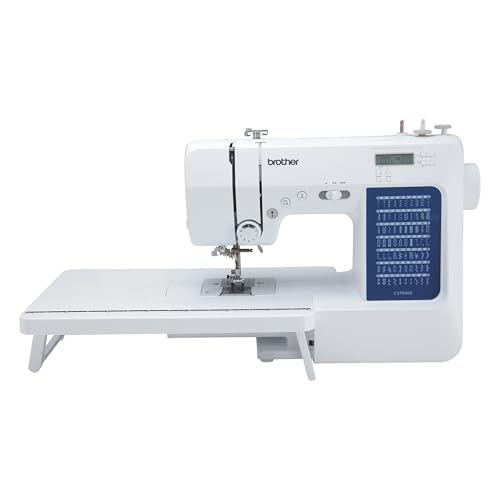 Brother CS7000X Brother CS7000X | Seven one-step auto-size buttonholes and ten included feet cover shirts, skirts and zippers. The intermediate setup moves to a Juki HZL-DX5 with adjustable presser foot pressure and a smoother feed on heavy and slippery fabric. | 1 | $279.99 | Price |
 Schmetz Universal Needles Schmetz Universal Needles | An assortment of universal needles for cotton, linen and other wovens. Change the needle every garment or two. | 1 | $7.45 | Price |
 Schmetz Stretch Needles Schmetz Stretch Needles | Medium ball point stretch needles that prevent skipped stitches on jersey and other knits. Most beginner frustration with knits is the wrong needle, not the machine. | 1 | $8.79 | Price |
 Schmetz Gold Jeans needles 100/16 Optional Schmetz Gold Jeans needles 100/16 Optional | Size 100/16 jeans needles for denim and canvas. Optional until your first jeans or bag project. | 1 | $8.99 | Price |
 Gutermann Sew-All 20 Spool Set Gutermann Sew-All 20 Spool Set | Twenty 100 m spools of all-purpose polyester in basic colors, so you can match most fabrics without a trip to the store. | 1 | $26.08 | Price |
| The machine subtotal | $331.30 | |||
Finishing seams (optional serger)
The machine finishes seams with zigzag or overcast stitches. A serger trims and wraps seams in one pass, which makes knits and ready-to-wear finishes much easier. Compare in serger vs sewing machine.
| Item | Why this one | Qty | Price | Buy |
|---|---|---|---|---|
 Brother 1034D Optional Brother 1034D Optional | A 3 or 4 thread serger at 1,300 stitches per minute with a metal frame, the most common first serger. Optional at this tier; the intermediate setup includes a Juki MO-654DE. Read the Brother 1034D review. | 1 | $284.99 | Price |
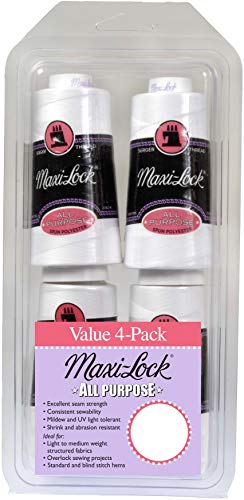 Maxi-Lock 4 Cone Pack Optional Maxi-Lock 4 Cone Pack Optional | Four 3,000 yd cones of spun polyester for the serger. Only needed if you buy the serger. | 1 | $19.23 | Price |
| Finishing seams (optional serger) subtotal | $304.22 | |||
Cutting and measuring
| Item | Why this one | Qty | Price | Buy |
|---|---|---|---|---|
 Gingher 8 in Dressmaker Shears Gingher 8 in Dressmaker Shears | Forged steel 8 in shears with a bent handle that keeps fabric flat on the table, plus a serrated blade that grips slippery fabric. Use them only on fabric and they last decades. | 1 | $44.05 | Price |
 Gingher Thread Snips Gingher Thread Snips | Spring-action snips for thread ends and clipping curves. | 1 | $19.91 | Price |
 Dritz 60 in Tape Measure Dritz 60 in Tape Measure | A 60 in flexible tape with inches and centimeters for body measurements and pattern checks. | 1 | $4.69 | Price |
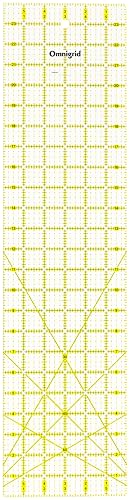 Omnigrid 6x24 Omnigrid 6x24 | A 6 x 24 in clear ruler with 1/8 in markings for grainlines, hems and seam allowance checks. | 1 | $25.59 | Price |
 Dritz Pattern Weights Dritz Pattern Weights | Four 4 oz weights hold tissue patterns flat so you can cut without pinning every inch. | 1 | $15.54 | Price |
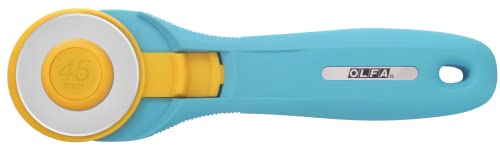 Olfa RTY-2/C 45mm Optional Olfa RTY-2/C 45mm Optional | A 45mm rotary cutter for long straight edges and slippery knits. Optional; shears cut everything a beginner pattern needs. | 1 | $14.28 | Price |
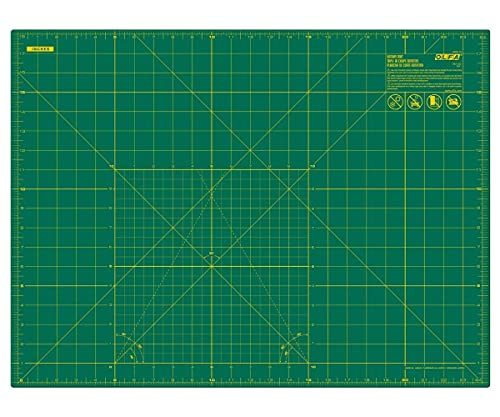 Olfa RM-SG 18 x 24 Optional Olfa RM-SG 18 x 24 Optional | An 18 x 24 in mat to use with the rotary cutter. Only needed if you buy the cutter. | 1 | $39.99 | Price |
| Cutting and measuring subtotal | $164.05 | |||
Marking
| Item | Why this one | Qty | Price | Buy |
|---|---|---|---|---|
 Clover Chaco Liner Clover Chaco Liner | A fine chalk line for darts, notches and buttonhole placement that brushes out afterward. | 1 | $9.39 | Price |
 Clover Tracing Wheel Optional Clover Tracing Wheel Optional | A blunt tracing wheel transfers darts and stitching lines from pattern to fabric. Optional; chalk works for most beginner patterns. | 1 | $7.72 | Price |
| Marking subtotal | $17.11 | |||
Pressing
Pressing each seam as you sew is what separates homemade from handmade.
| Item | Why this one | Qty | Price | Buy |
|---|---|---|---|---|
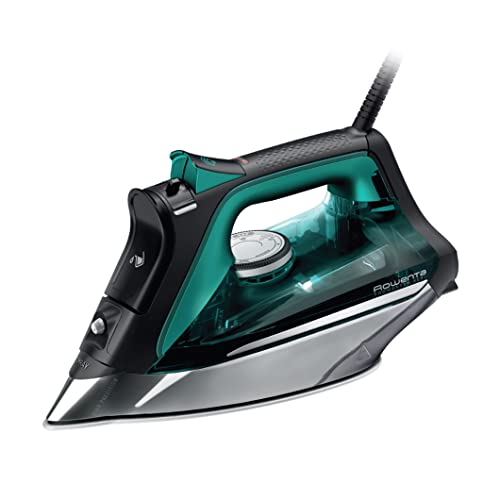 Rowenta Pro Master Rowenta Pro Master | A 1,775 W iron with a stainless soleplate, 210 g/min steam and auto shutoff. The intermediate setup moves to the Oliso TG1600 Pro Plus for its auto-lift. | 1 | $119.99 | Price |
 Bartnelli 19x48 Board Bartnelli 19x48 Board | A 19 x 48 in board with a padded cover, iron rest and shelf, wide enough for yardage and skirt panels. | 1 | $99.99 | Price |
 Prym Tailor's Ham Optional Prym Tailor's Ham Optional | A firm ham for pressing darts, princess seams and sleeve caps into a curve. Optional for a first project; you will want it by your first fitted top. | 1 | $21.99 | Price |
| Pressing subtotal | $241.97 | |||
Notions
| Item | Why this one | Qty | Price | Buy |
|---|---|---|---|---|
 Clover Fine Patchwork Pins Clover Fine Patchwork Pins | Fine glass-head pins that leave no holes in lightweight fabric and survive the iron. | 1 | $11.17 | Price |
 Clover Seam Ripper Optional Clover Seam Ripper Optional | A sharp, comfortable seam ripper. Every sewist unpicks; a better one than the basic tool in most machine boxes makes it less painful. | 1 | $6.65 | Price |
 Clover Wonder Clips 50 Optional Clover Wonder Clips 50 Optional | Clips hold knits, vinyl and thick seams without pin holes. Optional. | 1 | $16.95 | Price |
| Notions subtotal | $34.77 | |||
Light and table
| Item | Why this one | Qty | Price | Buy |
|---|---|---|---|---|
 Madam Sew Light Strip Madam Sew Light Strip | A stick-on 6500K LED strip that lights the needle area, which matters most on dark fabric. | 1 | $19.99 | Price |
 Sew Ready Folding Sewing Table Optional Sew Ready Folding Sewing Table Optional | A 47.5 x 28 in folding table with a drop-down machine platform that adjusts to 6 heights. Optional if a sturdy kitchen table is available. | 1 | $149.99 | Price |
| Light and table subtotal | $169.98 | |||
About $1,263 for all 24 lines. Without the optional lines (serger, rotary cutting, jeans needles, tracing wheel, ham, seam ripper, clips and table) it is about $690.
Prices were current when compiled and change often, so confirm each on Amazon. Lines marked "See price" have no verified listing price and are left out of the total rather than guessed. As an Amazon Associate we earn from qualifying purchases, at no extra cost to you.
What you can skip for now
Most of the optional lines can wait until a project needs them:
- The serger (Brother 1034D and Maxi-Lock 4 Cone Pack), about $305, until you sew knits regularly or want serged inside seams. The CS7000X overcast stitch finishes wovens fine.
- The sewing table (Sew Ready Folding Sewing Table), about $150, if you have a stable table.
- Rotary cutting (Olfa RTY-2/C 45mm and Olfa RM-SG 18 x 24), about $55, since shears handle every beginner pattern.
- The tailor's ham (Prym Tailor's Ham), about $22, until your first darted or fitted garment.
Do not skip the stretch needles if you plan to sew any knit, or the iron. Both change results more than the machine does.
What to upgrade first
Add the serger first. For garment sewists, the Brother 1034D changes more about how finished clothes look and wear than any machine upgrade, especially with knits.
Then the pressing tools. The Prym Tailor's Ham and a clapper make curves and collars look professional for very little money.
Then the machine. Move up when you sew heavy denim, coats or slippery silks and the feed struggles. The next step is the intermediate garment sewing setup.
What supplies do you need to start sewing clothes?
You need a machine with straight, zigzag and stretch stitches and a buttonhole; fabric shears; the right needles for your fabric; a tape measure; a way to mark; pins; an iron and board; and thread. That is the required core of this list, and it comes to about $690 with the machine.
A serger is the most common next purchase, but it is not needed to make your first garments. Browse the best sewing machines for beginners and the best sewing machines for clothes to compare the Brother CS7000X with alternatives.
| Fabric | Needle type | Typical size | In this setup |
|---|---|---|---|
| Quilting cotton, poplin, linen | Universal | 80/12 | Schmetz Universal Needles |
| Lightweight lawn, voile | Universal, fine | 70/10 | Schmetz Universal Needles |
| Jersey, T-shirt knit | Stretch | 75/11 | Schmetz Stretch Needles |
| Swimwear, spandex blends | Stretch | 75/11 or 90/14 | Schmetz Stretch Needles |
| Denim, canvas, twill | Jeans | 100/16 | Schmetz Gold Jeans needles 100/16 |
Sizes are general starting points; check the pattern and the sewing machine needle size chart for more fabrics.
Is the Brother CS7000X good for sewing clothes?
For beginner and many intermediate garments, yes. It has the stretch stitches, overcast stitches, one-step buttonholes, zipper foot and blind hem foot that clothing needs, and a free arm for sleeves and cuffs. Owners frequently mention how easy the needle threader and drop-in bobbin make setup.
Its limits show on very heavy fabric, like multiple layers of denim at a jeans hem, and on long garment sessions where a heavier machine feeds more smoothly. Read the Brother CS7000X review and Brother CS7000X vs XM2701 if you are deciding between Brother models.
Frequently asked questions
What sewing machine should a beginner buy for clothes?
A computerized machine under $300 with one-step buttonholes and stretch stitches is enough. The Brother CS7000X fits that description at about $280, with 70 stitches, seven buttonhole styles, a zipper foot and a blind hem foot included. Spend more only when you know you will sew heavy fabrics or sew for many hours at a time.
Do I need a serger to sew clothes?
No. A regular machine can finish seams with a zigzag or overcast stitch, and French seams or bias binding give a neat finish on wovens. A serger like the Brother 1034D makes knits faster and gives inside seams a ready-to-wear look, which is why most garment sewists add one eventually. It is optional in the beginner setup and included in the intermediate one.
What scissors do you need for sewing clothes?
Two pairs: a long pair of dressmaker shears for cutting fabric and small snips for threads. Bent-handle shears such as the Gingher 8 in dressmaker shears let the lower blade rest on the table so fabric stays flat while you cut. Keep them for fabric only, because paper dulls the blades quickly, and use cheaper scissors for patterns.
What needle should I use for sewing knit fabric?
Use a stretch needle, such as the Schmetz Stretch 75/11. Its medium ball point slides between knit fibers instead of piercing them, and its eye and scarf design help prevent the skipped stitches that universal needles often cause on elastic fabric. Pair it with a narrow zigzag or the machine stretch stitch so the seam can stretch with the fabric.
Do you really need a tailor's ham?
Not for your first simple garments, which is why it is optional here. Once a pattern has darts, princess seams or set-in sleeves, a ham like the Prym tailor's ham lets you press those seams over a curve so they keep their shape instead of flattening into creases. It is one of the least expensive tools that makes the biggest visible difference.
How we research: we compare manufacturer specifications, owner manuals, published standards and recurring themes in verified owner reviews. We do not test products in person, and this is researched guidance, not professional advice. Follow your machine manual and pattern, and take care with rotary cutters, hot irons and needles. As an Amazon Associate we earn from qualifying purchases.