Quilting Machine vs Sewing Machine: Do You Need a Special Machine to Quilt?
You do not need a quilting machine to start quilting: the Brother CS7000X pieces and quilts small projects for about $280. Upgrade to a straight-stitch quilting machine like the Juki TL-2000Qi, about $999 at 1,500 SPM, once you quilt throws and bed quilts regularly and want speed, precision and more room.
 Juki TL-2000Qi Long-Arm Sewing and Quilting Machine $999.00 Check price on Amazon
 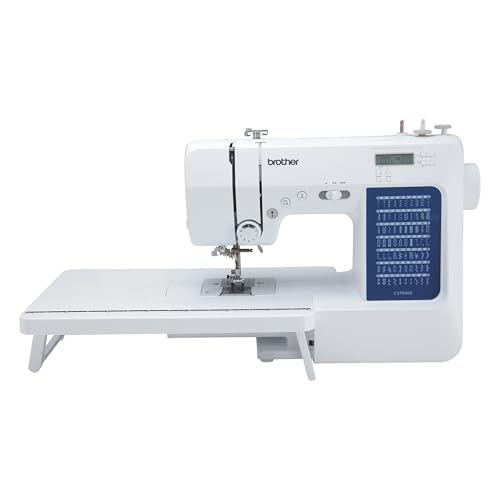 Brother CS7000X Computerized Sewing and Quilting Machine $279.99 Check price on Amazon
 The verdict
A regular sewing machine is enough for your first quilts, and a quilting machine is worth buying once quilting becomes the main thing you sew. These are different tools: the Juki is a fast, precise straight-stitch specialist, and the Brother is an all-rounder that also sews zigzag, buttonholes and decorative stitches.
The sale-costing truth: plenty of quilters keep both, and the pair costs less than many high-end combo machines. A $999 straight-stitch quilter plus a $280 everyday machine gives you the best of each for about $1,279. If you can only have one machine and you sew garments too, a quilting-friendly combo is the better single purchase.
Quilting machine vs Sewing machine: side by side
| Feature | Quilting machine | Sewing machine |
|---|---|---|
| Representative model | Juki TL-2000Qi | Brother CS7000X |
| Price | About $999 | About $280 |
| Stitch type | Straight stitch only | 70 built-in stitches |
| Max speed | 1,500 SPM | Not listed in the specs we verified |
| Buttonholes and zigzag | No | Yes, 7 one-step buttonholes |
| Included for quilting | Not detailed in the specs we verified | Quilt guide and wide table |
| Weight and portability | Heavy, stays put | Light, easy to carry to classes |
| Best for | Piecing and quilting throws to bed quilts | First quilts, crafts, garments, mending |
What is the difference between a quilting machine and a sewing machine?
"Quilting machine" covers three different things, and knowing which one you mean saves money. First, quilting-friendly domestic machines, like the Janome 3160QDC-G, which are regular sewing machines with quilting bundles. Second, straight-stitch quilters like the Juki TL-2000Qi, built for speed and precision on one stitch. Third, midarm and longarm machines, like the Grace Little Rebel, which exist only to quilt layers and have far more throat space, the distance from the needle to the machine body.
A regular sewing machine such as the Brother CS7000X can piece a quilt top and quilt it with a walking foot. Its limits show on larger quilts: less room to push the bulk through, lighter feeding through thick layers and slower top speed.
| Machine | Price | Piecing | Quilting a throw | Quilting a queen | Other sewing |
|---|---|---|---|---|---|
| Brother CS7000X | About $280 | Good | Good with walking foot | Hard work | Yes |
| Janome 3160QDC-G | About $749 | Very good | Very good | Possible in sections | Yes |
| Juki TL-2000Qi | About $999 | Excellent | Very good | Possible, easier than domestic | No |
| Juki TL-2010Q | About $1,199 | Excellent | Very good, trimmer and knee lift | Possible, easier than domestic | No |
| Grace Little Rebel | About $2,799 | Yes | Excellent, 13 x 8.5 in throat | Comfortable | Yes, sewing setup |
| Handi Quilter Moxie + Loft | About $5,495 | No | Excellent on frame | Excellent | No |
Can you quilt with a regular sewing machine?
Yes. Generations of quilters finished bed quilts on ordinary machines. The keys are a walking foot for straight-line quilting, dropping the feed dogs and using a darning foot for free motion, quilting in sections from the center out, and supporting the quilt's weight on a large table so it never drags. Quilt-as-you-go methods let even a small machine finish a king.
What a quilting machine buys is comfort and speed, not permission. When you notice you spend more time wrestling the quilt than stitching, it is time to look at more throat space. The throat space calculator shows how much room your quilt sizes need, and free-motion quilting for beginners covers technique on any machine.
Is a straight stitch quilting machine worth it?
For quilters who sew mostly quilts, yes. A straight-stitch machine uses a needle plate with a small round hole, so fabric is not pushed down into the plate and quarter-inch seams stay precise. The Juki TL-2000Qi runs at 1,500 SPM, which helps keep free-motion stitches even. Owners frequently praise its power through thick quilt sandwiches.
It is not worth it if you sew garments, bags with zippers or applique that needs a zigzag, unless you keep a second machine. For about $200 more, the Juki TL-2010Q adds an automatic thread trimmer and knee lifter. Compare the field in best sewing machines for quilting.
Choose Quilting machine if
- Quilting is your main hobby and you finish throws or bed quilts often.
- You want precise piecing and fast, even free-motion stitching.
- You already own, or will keep, a machine for zigzag and buttonholes.
- You want a heavy, stable machine that stays set up.
Choose Sewing machine if
- You are making your first quilts.
- You also sew garments, bags and crafts.
- You need a light machine to carry to classes and retreats.
- Your budget is under $300.
Our picks from sewing machine to quilting machine
Brother CS7000X Computerized Sewing and Quilting Machine
$279.99The first-quilt machine: 70 stitches, quilt guide, wide table and hard case for about $280.
Check price
Janome 3160QDC-G Sewing and Quilting Machine
$749.00A quilting bundle that keeps zigzag, with extension table and hard cover.
Check price Juki TL-2000Qi Long-Arm Sewing and Quilting Machine
$999.00Straight-stitch speed at 1,500 SPM for about $999.
Check price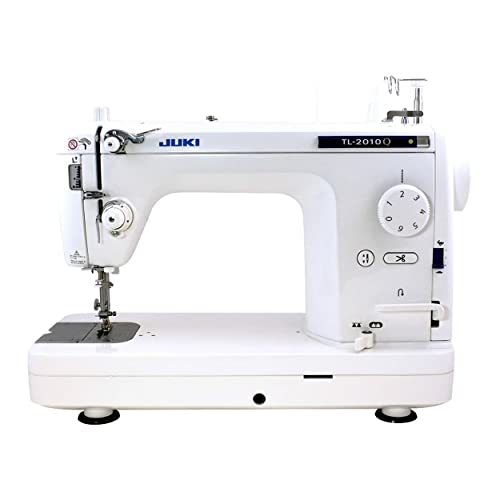
Juki TL-2010Q High-Speed Sewing and Quilting Machine
$1,199.00Adds automatic thread trimmer and knee lifter to the same platform.
Check price
Grace Little Rebel Sewing and Quilting Machine
$2,799.00A 13 x 8.5 in midarm with stitch regulation for bigger quilts.
Check pricePrices change often, so confirm on Amazon. As an Amazon Associate we earn from qualifying purchases.
This comparison is drawn from published specifications, owner manuals and the consensus of verified owner reviews, not side-by-side testing.
Frequently asked questions
Do I need a special sewing machine to quilt?
No. Any machine with a reliable straight stitch can piece and quilt, especially with a walking foot. The Brother CS7000X even includes a quilt guide and wide table. Quilting machines make large quilts easier with more throat space, stronger feeding and higher speed, so most quilters upgrade once they know the size of quilts they make.
Can a quilting machine sew clothes?
A straight-stitch quilting machine like the Juki TL-2000Qi can sew straight seams on woven garments, and it does that well. It cannot sew zigzag, stretch stitches for knits, buttonholes or overcast edges. Quilting-friendly domestic machines like the Janome 3160QDC-G do sew clothes, because they are full sewing machines with quilting accessories.
What is the difference between machine quilting and longarm quilting?
Machine quilting usually means quilting on a domestic or straight-stitch machine, moving the quilt under a stationary needle. Longarm quilting uses a machine with a large throat, often on a frame where the quilt stays still and you move the machine. Longarms make big quilts far easier but cost thousands of dollars and need space. Compare costs with our longarm cost calculator.
How much should I spend on my first quilting machine?
Many quilters start on a machine they already own or one under $300, then upgrade after a few quilts. A dedicated first quilting machine typically costs $750 to $1,200, such as the Janome 3160QDC-G or Juki TL-2000Qi. Spending more makes sense once you know you want bigger throat space or features like a thread trimmer.
Is a sewing machine with more stitches better for quilting?
Not really. Quilting uses the straight stitch for almost everything, plus occasional zigzag or blanket stitch for applique. Hundreds of decorative stitches add little. Features that matter more are throat space, even feeding, needle-down, a knee lifter, thread cutting and a large extension table. Straight-stitch machines with no decorative stitches are often the favorites of dedicated quilters.
How we research: we compare manufacturer specifications, owner manuals, published standards and recurring themes in verified owner reviews. We do not test products in person, and this is researched guidance, not professional advice. Follow your machine manual and pattern, and take care with rotary cutters, hot irons and needles. As an Amazon Associate we earn from qualifying purchases.