Beginner Quilting Setup: Everything You Need for About $1,464
A complete beginner quilting setup costs about $1,464 for 21 items, built around the Janome 3160QDC-G at about $749. Its bonus quilt kit already includes a walking foot, quarter-inch foot and darning foot, so the rest of the budget goes to a rotary cutter, mat, ruler, iron, wool pressing mat, pins, batting and basting spray.
Beginner setup
This is the lowest-cost list we would trust to take someone from a box of fabric to a finished, washable quilt. It totals about $1,464 across 21 lines, and roughly a third of that is optional. The centerpiece is the Janome 3160QDC-G, a computerized machine Janome packages for new quilters.
Every item below is grouped by the job it does: the machine, cutting, pressing, piecing, quilting the layers, a first quilt's fabric, and light. Each row says why that item earns its place at this tier and what the intermediate setup buys instead, so you can see exactly where the money goes.
Everything in the beginner quilting setup
The machine
The machine plus the needles and thread it runs on. Retailer listings for the bonus quilt kit include the walking foot, quarter-inch foot and darning foot, so no extra feet are listed.
| Item | Why this one | Qty | Price | Buy |
|---|---|---|---|---|
 Janome 3160QDC-G Janome 3160QDC-G | Superior Plus Feed System, adjustable presser foot pressure, automatic thread cutter and a speed slider that caps top speed while you learn. The intermediate setup moves to the Juki TL-2010Q, a faster straight-stitch machine with a knee lifter, but gives up zigzag. | 1 | $749.00 | Price |
 Schmetz Quilting Needles Schmetz Quilting Needles | Fifteen size 75/11 and ten 90/14 quilting needles. Change the needle every quilt top or so; a dull needle causes more skipped stitches and puckers than any machine setting. | 1 | $17.73 | Price |
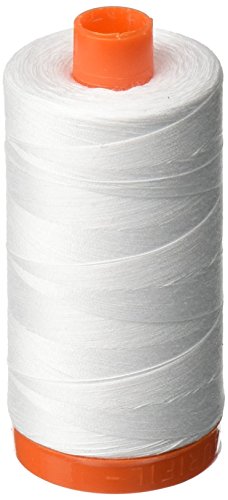 Aurifil 50wt White Aurifil 50wt White | Fine 50wt cotton that lays flat in quarter-inch seams, so blocks come out the right size. Two spools piece and quilt a throw. The intermediate kit steps up to a 12-spool neutral collection. | 2 | $35.98 | Price |
| The machine subtotal | $802.71 | |||
Cutting
Accurate cutting is where quilts go right or wrong. See the rotary cutter, cutting mat and quilting ruler roundups to compare alternatives.
| Item | Why this one | Qty | Price | Buy |
|---|---|---|---|---|
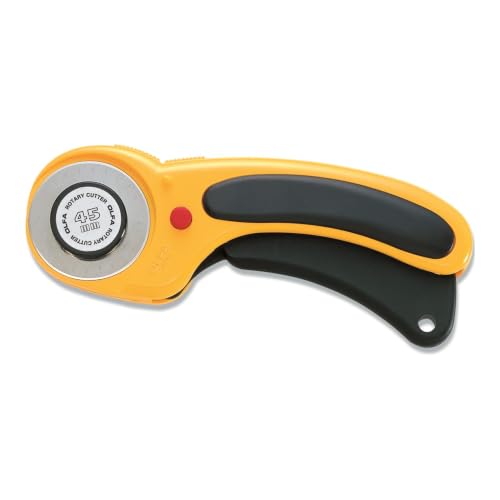 Olfa RTY-2/DX 45mm Olfa RTY-2/DX 45mm | The 45mm size is the all-round quilting blade, and the squeeze trigger retracts the blade the moment you let go. That matters more than any other feature for a beginner. | 1 | $19.69 | Price |
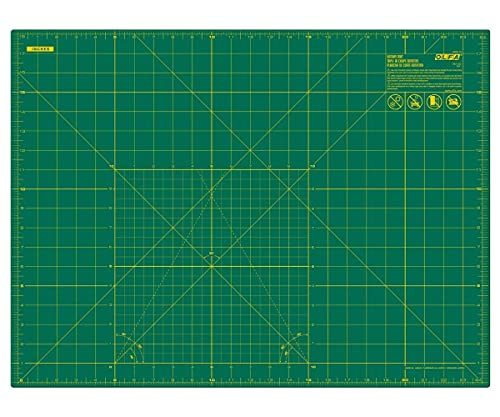 Olfa RM-SG 18 x 24 Olfa RM-SG 18 x 24 | An 18 x 24 in self-healing mat cuts a 42 in width-of-fabric strip once the fabric is folded twice, and it fits a kitchen table. The intermediate setup uses a 24 x 36 in mat so you fold less. | 1 | $39.99 | Price |
 Creative Grids 6-1/2 x 24-1/2 Creative Grids 6-1/2 x 24-1/2 | A 6-1/2 x 24-1/2 in non-slip ruler is the one ruler every pattern assumes. The grip keeps it from sliding when you press down, which keeps your fingers safer too. | 1 | $39.99 | Price |
 Omnigrid 12-1/2 in Square Optional Omnigrid 12-1/2 in Square Optional | Squares up finished blocks to 12-1/2 in. Skippable for your first quilt if you trust your seams; worth it from quilt two. | 1 | $27.04 | Price |
 Olfa RB45 10-Pack Optional Olfa RB45 10-Pack Optional | Ten replacement 45mm blades. The cutter ships with one, so this can wait until the first blade starts skipping threads. | 1 | $39.99 | Price |
| Cutting subtotal | $166.70 | |||
Pressing
Quilters press seams flat rather than iron back and forth. A wool mat beside the machine saves walking to an ironing board every seam.
| Item | Why this one | Qty | Price | Buy |
|---|---|---|---|---|
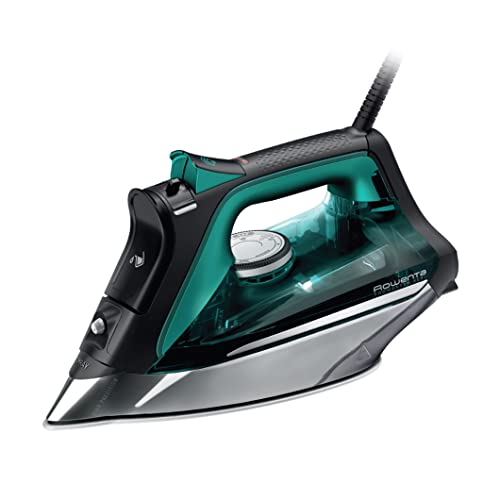 Rowenta Pro Master Rowenta Pro Master | A 1,775 W stainless soleplate iron with auto shutoff, which is the safety feature to insist on if you step away mid-block. The intermediate kit moves to the Oliso TG1600 Pro Plus, whose auto-lift saves wrist strain. | 1 | $119.99 | Price |
 PQT Wool Mat 17x24 PQT Wool Mat 17x24 | A 17 x 24 in New Zealand wool mat holds heat from both sides, so seams press flat in one pass. It sits on any heat-safe table, so you can skip buying an ironing board. | 1 | $34.99 | Price |
| Pressing subtotal | $154.98 | |||
Piecing notions
The machine comes with a seam ripper, so none is listed here.
| Item | Why this one | Qty | Price | Buy |
|---|---|---|---|---|
 Clover Fine Patchwork Pins Clover Fine Patchwork Pins | Fine glass-head pins slip through cotton without shifting points, and glass heads survive a hot iron. | 1 | $11.17 | Price |
 Clover Wonder Clips 50 Clover Wonder Clips 50 | Fifty clips hold binding and thick seam intersections where pins would bend. You will reach for these constantly when binding. | 1 | $16.95 | Price |
 Gingher Thread Snips Gingher Thread Snips | Spring-action snips that live next to the machine for trimming threads and chain-pieced units. The automatic cutter handles most seam ends; these handle everything else. | 1 | $19.91 | Price |
 Clover Chaco Liner Clover Chaco Liner | A fine white chalk line for marking quilting lines and half-square triangle diagonals that brushes away afterward. | 1 | $9.39 | Price |
| Piecing notions subtotal | $57.42 | |||
Quilting the layers
Top, batting and backing are held together, then quilted with the walking foot or darning foot from the bonus kit.
| Item | Why this one | Qty | Price | Buy |
|---|---|---|---|---|
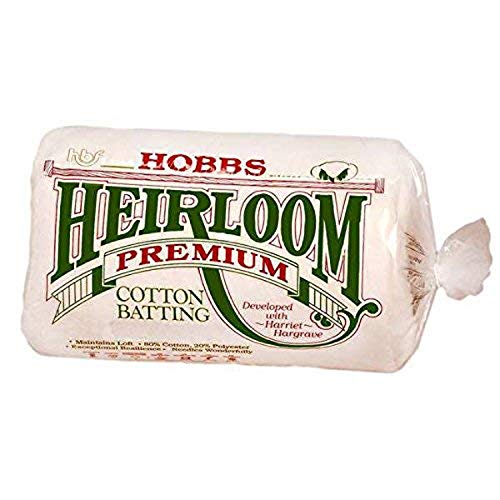 Hobbs Heirloom 80/20 Queen Hobbs Heirloom 80/20 Queen | A queen-size 80/20 cotton-poly batt at about 1/8 in loft is forgiving on a home machine and big enough to cut down for a throw or two baby quilts. Check sizes with the batting size calculator. | 1 | $28.99 | Price |
 Odif 505 Odif 505 | Repositionable, odorless basting spray replaces hundreds of safety pins and is far kinder to hands than pin basting on the floor. | 1 | $28.85 | Price |
 Machingers Quilting Gloves Optional Machingers Quilting Gloves Optional | Fingertip grips let you move the quilt with less pressure. Optional, but owners frequently mention less shoulder and hand fatigue once they start free-motion work. | 1 | $9.78 | Price |
| Quilting the layers subtotal | $67.62 | |||
Your first quilt
Optional fabric so the kit is ready to use the day it arrives. Skip it if you already have fabric picked out.
| Item | Why this one | Qty | Price | Buy |
|---|---|---|---|---|
 Bella Solids White Layer Cake Optional Bella Solids White Layer Cake Optional | Forty-two 10 in squares of cotton solids, enough for a simple patchwork or half-square triangle throw without cutting yardage. | 1 | $39.99 | Price |
 ROC-lon 108 in Backing Optional ROC-lon 108 in Backing Optional | At 108 in wide, one length backs a throw or twin with no seams to piece. Size it with the quilt backing calculator. | 1 | $25.00 | Price |
| Your first quilt subtotal | $64.99 | |||
Light and comfort
| Item | Why this one | Qty | Price | Buy |
|---|---|---|---|---|
 Madam Sew Light Strip Madam Sew Light Strip | A 12 in stick-on 6500K LED strip that lights the needle area without shadows, powered by USB. The cheapest real improvement to seam accuracy on this list. | 1 | $19.99 | Price |
 OttLite Flex Optional OttLite Flex Optional | A 95+ CRI floor lamp that shows true fabric colors in the evening. Optional if your room has good daylight; the intermediate setup uses a clamp-on task lamp. | 1 | $129.99 | Price |
| Light and comfort subtotal | $149.98 | |||
About $1,464 for all 21 lines including the optional ones. Leave out the optional lines and the working kit comes in just under $1,200, most of which is the machine.
Prices were current when compiled and change often, so confirm each on Amazon. Lines marked "See price" have no verified listing price and are left out of the total rather than guessed. As an Amazon Associate we earn from qualifying purchases, at no extra cost to you.
What you can skip for now
You can start quilting today without every line above. These are the honest skips:
- The first-quilt fabric (Bella Solids White Layer Cake and ROC-lon 108 in Backing), about $65, if you already have a stash or a pattern with its own fabric list.
- The floor lamp (OttLite Flex), about $130, if you sew by a window in the daytime. Keep the Madam Sew Light Strip either way.
- Spare blades (Olfa RB45 10-Pack), about $40, until the first blade dulls.
- The square ruler and gloves, about $37 together, until you square up blocks or try free-motion quilting.
Do not skip the iron, the rotary cutter safety trigger or the basting spray. Those three are where beginners most often lose a quilt.
What to upgrade first
Upgrade the cutting mat first. Moving from the 18 x 24 in mat to a 24 x 36 in Olfa 24x36 Mat (about $60) means folding fabric once instead of twice, which removes the most common source of crooked strips.
Then the iron. If your hands or wrists tire, the Oliso TG1600 Pro Plus lifts itself off the fabric, so you never stand it upright hundreds of times per quilt.
Only then the machine. Upgrade when you are quilting twin-size tops and fighting the throat space, not before. The next step is the intermediate quilting setup.
What do you need to start quilting as a beginner?
You need five things to make a quilt: a sewing machine that sews a straight quarter-inch seam, a way to cut fabric accurately, an iron, basic notions to hold and fix seams, and batting plus a way to baste the layers. Everything else makes the work faster or more comfortable.
A walking foot is the one accessory beginners overlook. It feeds the top, batting and backing through together so the backing does not pucker. The Janome 3160QDC-G bonus kit includes one, which is a big part of why it anchors this list instead of a cheaper machine that would need one added. For step-by-step instructions, see how to make a quilt for beginners.
| Station | What goes there | Surface needed | Tip |
|---|---|---|---|
| Sewing | Janome 3160QDC-G with extension table | A sturdy table at least 36 in wide | Leave room to the left for the quilt to rest on |
| Cutting | Olfa RM-SG 18 x 24 and Creative Grids 6-1/2 x 24-1/2 | A kitchen table or counter | Counter height is easier on the back than a dining table |
| Pressing | PQT Wool Mat 17x24 and iron | Any heat-safe surface near the machine | Place it within a quarter turn of your chair |
| Basting | Batting, backing and Odif 505 | A large table or clean floor, ventilated | Baste throws on two pushed-together tables |
How much does it cost to start quilting?
The full list is totaled in the table above, and the machine is roughly half of it. If you already own a sewing machine with a walking foot, the cutting, pressing, notions and batting lines alone come to a few hundred dollars.
A cheaper machine is possible. The Brother CS7000X costs about $280 and also includes a walking foot and quarter-inch foot, which would bring the whole setup under $1,000. You give up the Janome's automatic thread cutter and adjustable presser foot pressure. For a head-to-head on beginner quilting machines, see Janome 3160QDC vs Brother PQ1600S and the best quilting machines for beginners.
What size quilt should a beginner make first?
A baby quilt or a throw. Anything up to about 50 x 65 in fits comfortably through the Janome 3160QDC-G when you quilt straight lines with the walking foot, and it uses one batt with enough left over for a second small project.
Plan it with the quilt size calculator, then work out fabric with the quilt top yardage calculator and the binding calculator. The quilt size chart lists standard finished sizes by bed.
Frequently asked questions
Is the Janome 3160QDC-G good for beginner quilters?
Yes. The Janome 3160QDC-G is designed around new quilters, with a bonus kit that includes a quarter-inch seam foot, an open-toe walking foot and a darning foot for free-motion quilting. It also has an automatic thread cutter, a speed slider and adjustable presser foot pressure. It is not a straight-stitch speed machine, so heavy quilters often move to a Juki later. Read the full Janome 3160QDC review.
Do I need a walking foot to quilt?
For quilting straight lines through a top, batting and backing, a walking foot makes a real difference. It adds a second set of feed dogs on top so the layers move together and the backing does not pucker or pleat. You can piece without one. The machine in this setup already includes one in its bonus quilt kit, so it is not listed separately.
What size rotary cutter should a beginner buy?
A 45mm cutter such as the Olfa 45mm squeeze-trigger cutter is the best first choice. It handles straight strips and gentle curves through a few layers of cotton. A 60mm blade cuts more layers at once but is harder to control around templates. Choose a model whose blade retracts automatically when you release the handle, since open blades cause most rotary cutter injuries.
Can I quilt without an ironing board?
Yes. Most quilters press on a wool pressing mat like the 17 x 24 in wool mat placed on a heat-safe table near the machine. Wool holds heat and presses seams flat from both sides. An ironing board helps with yardage and backing fabric before cutting, so many quilters add one later, but it is not required to piece a quilt top.
What batting is best for a first quilt?
An 80/20 cotton and polyester batt is the most forgiving choice. The Hobbs Heirloom 80/20 queen batt has a low loft of about 1/8 in, which feeds easily under a home machine walking foot, and it shrinks slightly after washing for a soft crinkled look. Buy queen size so you can cut a throw from it. Compare fibers in our quilt batting roundup.
How we research: we compare manufacturer specifications, owner manuals, published standards and recurring themes in verified owner reviews. We do not test products in person, and this is researched guidance, not professional advice. Follow your machine manual and pattern, and take care with rotary cutters, hot irons and needles. As an Amazon Associate we earn from qualifying purchases.