Best Heavy Duty Sewing Machine (2026): 10 Picks From $180 to $1,700
The best heavy duty sewing machine for most home sewists is the Janome HD3000 (about $530), with adjustable foot pressure and a sturdy build for denim, canvas and home decor. The Singer Heavy Duty 4423 (under $200) is the budget choice, and the Juki DU-1181 walking foot industrial is the real answer for upholstery.
"Heavy duty" on a sewing machine box is a marketing label, not a standard. What actually helps with thick fabric is a rigid internal frame, adjustable presser foot pressure, good feeding and enough piercing force at low speed. The Janome HD3000 has the right mix for most people, and it is our top pick.
If you only sew thick fabric occasionally, the Singer 4423 is the long-running budget option. If you sew upholstery, marine canvas or bags every week, the honest answer is a walking foot industrial like the Juki DU-1181, which we cover in the Expert tier.
Heavy duty picks compared
| Product | Price | Type | Key heavy-fabric feature | Best for | Buy |
|---|---|---|---|---|---|
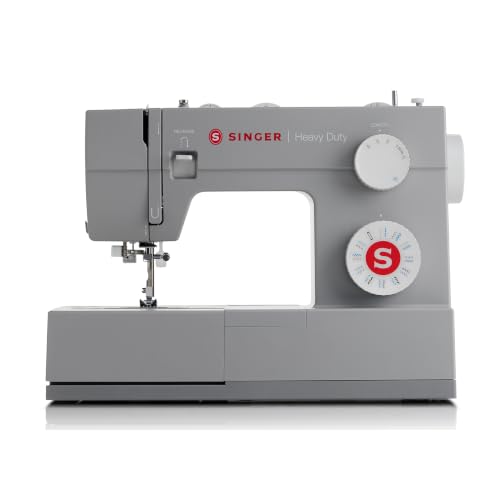 Singer 4423 Singer 4423 | $182.41 | Mechanical | Metal interior frame, 1,100 SPM | Budget denim and canvas | Price |
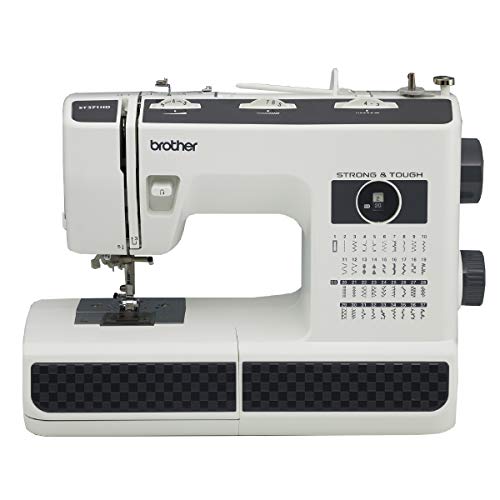 Brother ST371HD Brother ST371HD | $239.99 | Mechanical | Free arm, 37 stitches | Repairs and alterations | Price |
 Singer 4452 Singer 4452 | $269.99 | Mechanical | Extension table bundle | Bigger flat projects | Price |
 Singer HD500 Classic Singer HD500 Classic | $379.99 | Mechanical | Full metal frame | Vintage-style build | Price |
 Janome HD1000 Janome HD1000 | $399.00 | Mechanical | Metal working parts | Simple and rugged | Price |
 Singer 6800C Singer 6800C | $379.99 | Computerized | Walking foot included | Heavy fabric plus stitches | Price |
 Janome HD3000 Janome HD3000 | $529.00 | Mechanical | Adjustable foot pressure | Buy once | Price |
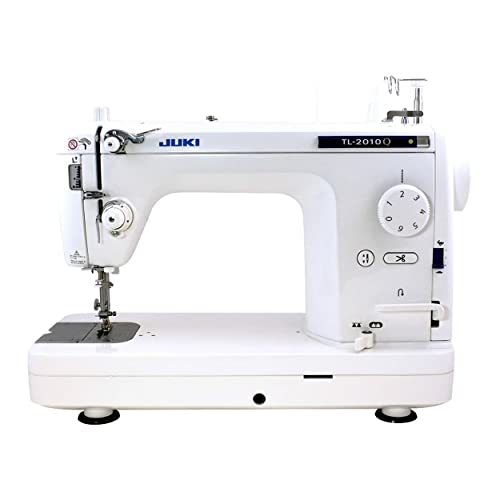 Juki TL-2010Q Juki TL-2010Q | $1,199.00 | Semi-industrial straight stitch | 1,500 SPM, knee lifter | Volume straight seams | Price |
 Juki DU-1181 Juki DU-1181 | $1,724.62 | Industrial walking foot | Top and bottom feed, servo motor | Upholstery and canvas | Price |
Beginner
Beginner picks: occasional thick fabric, under $300
These handle jean hems, tote bags, a canvas apron and a few layers of cotton duck. They are domestic machines with lighter housings, so sew slowly and hand-walk over the thickest humps.
Singer Heavy Duty 4423 Sewing Machine
$182.41The best-known budget heavy duty machine, with a metal interior frame, a stainless steel bedplate, 23 stitches and a top speed of 1,100 stitches per minute. Speed is not the same as power, but the frame keeps it from flexing on denim.
Best for: Budget denim and canvas
Check price Brother ST371HD Strong and Tough Sewing Machine
$239.99Brother's Strong and Tough model adds a free arm, 37 stitches, an auto-size buttonhole, an automatic needle threader and a drop-in bobbin. It suits alterations and repairs more than bag-making.
Best for: Repairs, hems and alterations
Check price Singer Heavy Duty 4452 Sewing Machine with Extension Table
$269.99Singer's Heavy Duty 4452 bundled with the snap-on extension table made for its HD line. The table is the useful part: it supports heavy fabric so its weight does not drag against the needle.
Best for: Curtains and larger flat pieces
Check pricePrices change often, so confirm on Amazon. As an Amazon Associate we earn from qualifying purchases.
Intermediate
Intermediate picks: weekly heavy projects, $380 to $1,200
Here you pay for frames and feeding that stay consistent over many layers, and for features like foot pressure control and walking feet.
Janome HD3000 Heavy Duty Sewing Machine with Hard Case
$529.00Eighteen stitches, a one-step buttonhole, adjustable foot pressure and a hard case. Foot pressure is the feature budget heavy duty machines usually lack, and it is what keeps layers of canvas from creeping.
Best for: Denim, canvas and home decor
Check price Singer Heavy Duty 500 Classic Sewing Machine
$379.99A full metal frame and a motor Singer rates at 50 percent more power than its standard models, with drop feed and adjustable needle position, in a vintage-inspired body.
Best for: Sewists who want a metal machine
Check price Singer Heavy Duty 6800C Computerized Sewing Machine
$379.99A computerized heavy duty model with 586 stitch applications, nine one-step buttonholes and ten feet including a walking foot. The walking foot helps with quilted fabric and vinyl.
Best for: Heavy fabric plus decorative stitches
Check price Juki TL-2010Q High-Speed Sewing and Quilting Machine
$1,199.00A straight-stitch-only aluminum die-cast machine at up to 1,500 stitches per minute with an automatic thread trimmer and a knee lifter. It is not zigzag capable, but for long straight seams in heavy drapery or quilts it is a big step up.
Best for: Long straight seams in volume
Check pricePrices change often, so confirm on Amazon. As an Amazon Associate we earn from qualifying purchases.
Expert
Expert picks: true industrial walking foot, $1,600 to $1,800
Who should NOT buy this tier: garment sewists, quilters, and anyone without a spare corner for a full-size industrial table. These are straight-stitch-only, very heavy, and set up for thick material, not delicate fabric. If you sew boat covers, cushions, saddlebags or heavy bags weekly, they are the right tool.
Juki DU-1181 Single Needle Walking Foot Industrial Machine with Stand and Servo Motor
$1,724.62A top and bottom feed walking foot lockstitch machine with a 9 mm maximum stitch length and a 15 mm knee lift, supplied with a table and a 110V servo motor. The servo gives slow, controllable speed, which matters on thick seams.
Best for: Upholstery, canvas and heavy bags
Check price
Consew 206RB-5 Walking Foot Industrial Sewing Machine with Table and Servo Motor
$1,661.99A compound feed walking foot industrial with a 10 mm maximum stitch length and a 9/16 inch knee lift, sold with a table and servo motor. Consew lists upholstery, leather, auto and marine canvas as target work.
Best for: Marine and auto upholstery
Check pricePrices change often, so confirm on Amazon. As an Amazon Associate we earn from qualifying purchases.
What makes a sewing machine heavy duty?
There is no industry definition, so look for these specific traits instead of the label:
- A rigid frame. Metal internal frames resist flexing, which keeps the needle aligned with the hook on thick seams.
- Adjustable presser foot pressure. More pressure holds layers against the feed dogs; less pressure stops stretchy or lofty fabric from shifting.
- High presser foot lift. You cannot sew what you cannot fit under the foot.
- Low-speed control. Piercing force at slow speed matters more than stitches per minute.
- Walking or compound feed. Moves the top layer and bottom layer together, the defining trait of industrial canvas and leather machines.
| Machine class | Frame | Feed | Realistic max material | Example |
|---|---|---|---|---|
| Budget domestic heavy duty | Metal interior frame | Bottom feed dogs | Denim hems, 2 to 4 layers of canvas | Singer 4423 |
| Mid-range domestic | Sturdy frame | Bottom feed, adjustable foot pressure | Jeans construction, drapery, light vinyl | Janome HD3000 |
| Semi-industrial straight stitch | Aluminum die-cast | Bottom feed, knee lifter | Heavy drapery, quilts, bags | Juki TL-2010Q |
| Industrial walking foot | Cast industrial head | Top and bottom compound feed | Upholstery, marine canvas, leather | Juki DU-1181 |
What size sewing machine needle for thick fabric?
Use a size 100/16 needle for denim, canvas and upholstery-weight fabric on a home machine, and 110/18 only for the heaviest layers your machine can physically fit. A jeans needle like the Schmetz Gold Jeans needles 100/16 has a stronger shaft and sharper point than a universal needle, so it deflects less when it hits a thick seam.
A needle that is too small for the thread and fabric is the most common cause of broken needles and shredded thread on heavy projects. Our sewing machine needle size chart pairs each fabric with a needle type and size, and the sewing machine needles hub explains each point style.
Why does my sewing machine thread keep breaking on thick fabric?
On heavy fabric, thread breaks usually trace to one of five causes, and none of them require a new machine:
- Needle too small for the thread. Heavy topstitching thread needs a topstitch or jeans needle with a larger eye.
- Tension too tight. Thick layers add drag. Loosen upper tension a notch and test on scraps.
- Stitch length too short. Short stitches perforate dense fabric. Lengthen to 3 to 3.5 mm.
- Old or damaged needle. A burr on the eye shreds thread. Replace it.
- Sewing too fast over a hump. Slow down and turn the hand wheel over the thickest point.
Level the foot
When the presser foot tips up at the start of a thick seam, fold a scrap of the same fabric and place it behind the foot under the heel. The foot stays level, feeds evenly and stops skipping stitches.
Is a heavy duty sewing machine good for quilting?
A domestic heavy duty machine can piece quilts and quilt small projects well. Its limits are throat space, the distance from the needle to the machine body, which is modest on most heavy duty models, and bottom-only feed, which can push quilt layers out of alignment without a walking foot. The Singer 6800C includes a walking foot, which helps.
For larger quilts, a straight-stitch machine like the Juki TL-2010Q offers more room and speed. See the best sewing machines for quilting and use the throat space calculator to check how much room your quilt size needs.
What is the best heavy duty sewing machine for beginners?
For a beginner who expects to sew denim, canvas bags or home decor, the Singer 4423 is the budget starting point and the Janome HD3000 is the one to buy if you want to skip an upgrade. Beginners should not start on an industrial machine: the speed, knee lift and clutch or servo pedal take practice, and they are straight stitch only.
If you are still choosing between those two, read Janome HD3000 vs Singer 4423. Planning a curtain or cushion project? The upholstery fabric calculator estimates yardage before you shop.
How we chose
We did not test these machines in person. We compared manufacturer specifications (frame materials, feed systems, foot lift, motor type and speed), owner manuals, and the recurring themes in verified owner reviews about thick fabric performance, thread breakage and durability. We weighted features that change results on heavy fabric, like foot pressure and walking feed, over stitch counts, and we separated domestic machines from true industrials so expectations stay realistic.
Buying tips
- Ignore "heavy duty" labels and check for foot pressure control, frame material and presser foot lift.
- Budget for a walking foot if your machine does not include one; it helps with vinyl and quilted fabric.
- Buy needles by the card in 90/14, 100/16 and 110/18 before starting a big project.
- Use polyester or bonded nylon thread for outdoor and upholstery projects; cotton thread weakens in sun and damp.
- For industrial machines, confirm the motor type, table and voltage before ordering, and plan for freight delivery.
Frequently asked questions
What is the best heavy duty sewing machine for home use?
For most home sewists, the Janome HD3000 is the best heavy duty choice, because adjustable foot pressure and a sturdy build handle denim, canvas and drapery reliably. The Singer Heavy Duty 4423 is the budget alternative under $200. If you sew upholstery or marine canvas every week, a walking foot industrial like the Juki DU-1181 is the more honest recommendation.
Can a heavy duty sewing machine sew leather?
A domestic heavy duty machine can sew thin garment leather and faux leather with a leather needle, a longer stitch and a Teflon or walking foot. It is not designed for thick belt or saddle leather, and forcing it can knock the timing out. Heavy leather work calls for a walking foot industrial such as the Juki DU-1181 or Consew 206RB-5.
Is the Singer 4423 really heavy duty?
The Singer 4423 has a metal interior frame, a stainless steel bedplate and a top speed of 1,100 stitches per minute, so it handles denim and a few layers of canvas better than typical budget machines. Its housing is still largely plastic and it has bottom-only feed. Think of it as a sturdy budget domestic machine rather than an industrial.
How many layers of denim can a heavy duty sewing machine sew?
Most domestic heavy duty machines sew four to six layers of medium-weight denim at slow speed with a 100/16 jeans needle. Flat-felled seam intersections on jeans can reach eight or more layers, which is where skipped stitches and broken needles happen. A hump jumper or folded scrap under the foot and turning the hand wheel by hand help get over those spots.
Do I need an industrial sewing machine for upholstery?
For a single chair cushion or a set of pillow covers, no. A domestic machine with a walking foot and 100/16 needle manages that. For regular upholstery, auto interiors or boat canvas with piping and multiple layers of vinyl, a walking foot industrial with a servo motor is far more consistent and much less likely to be damaged by the workload.
What is the difference between a heavy duty and an industrial sewing machine?
A heavy duty machine is a domestic machine with a stronger frame and motor, usually with zigzag and utility stitches, built to be carried and stored. An industrial machine is a single-purpose head bolted into a table with a separate motor, designed to run for hours on one task. Industrials are faster and stronger but less versatile and far heavier.
How we research: we compare manufacturer specifications, owner manuals, published standards and recurring themes in verified owner reviews. We do not test products in person, and this is researched guidance, not professional advice. Follow your machine manual and pattern, and take care with rotary cutters, hot irons and needles. As an Amazon Associate we earn from qualifying purchases.