Best Serger (2026): 12 Overlock Machines From $250 to $1,400
The best serger for most home sewists is the Juki MO-654DE (about $600), a 2, 3 or 4 thread overlocker widely recommended for clean, consistent stitches on knits and wovens. The Brother 1034D (under $300) is the best budget serger, and the Janome AirThread 2000D is the best premium air threading model.
A serger, also called an overlocker, sews a seam, trims the excess fabric and wraps the raw edge in thread in one pass. It is the machine behind the neat, stretchy seams inside ready-to-wear T-shirts and leggings. It does not replace a sewing machine, but for garment sewists it transforms both speed and finish.
Our top pick is the Juki MO-654DE, a long-standing favorite with 2, 3 and 4 thread options. The Brother 1034D is the budget classic. If threading worries you, see the air threading picks below or our best sergers for beginners.
Every serger we recommend
| Product | Price | Thread options | Threading | Best for | Buy |
|---|---|---|---|---|---|
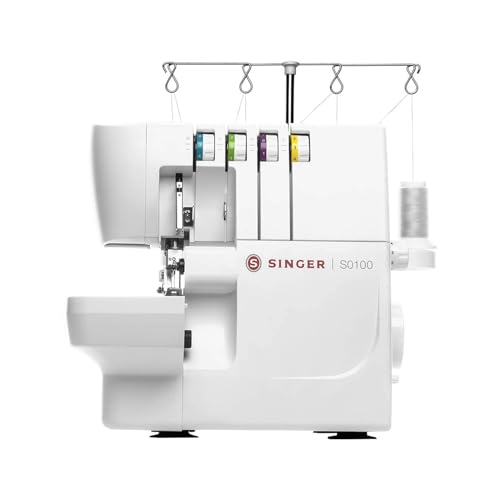 Singer S0100 Singer S0100 | $253.95 | 2, 3 or 4 | Color-coded, arrives pre-threaded | Lowest price | Price |
 Brother 1034D Brother 1034D | $284.99 | 3 or 4 | Color-coded | Best budget | Price |
 Brother ST4031HD Brother ST4031HD | $342.22 | 3 or 4 | Standard | Heavier fabrics | Price |
 Janome 8002D Janome 8002D | $360.00 | 3 or 4 | Color-coded | Clear tension dials | Price |
 Juki MO-654DE Juki MO-654DE | $599.00 | 2, 3 or 4 | Standard | Best overall | Price |
 Singer 14T968DC Singer 14T968DC | $649.99 | 2, 3, 4 or 5 | Standard, auto tension | 5-thread safety stitch | Price |
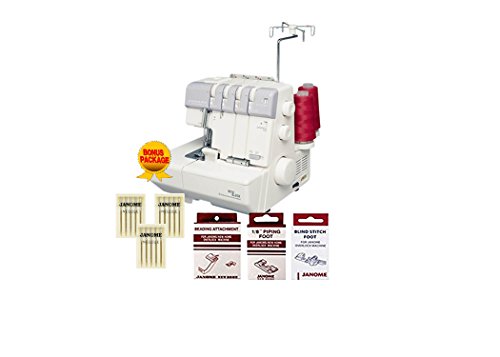 Janome MyLock 634D Janome MyLock 634D | $699.00 | 2, 3 or 4 | Self-threading lower looper | Rolled hems | Price |
 Brother AIR1800 Brother AIR1800 | $899.99 | 2, 3 or 4 | Air looper threading | Air threading value | Price |
 Brother Airflow 3000 Brother Airflow 3000 | $1,199.99 | 2, 3 or 4 | Air looper threading | Bright work area | Price |
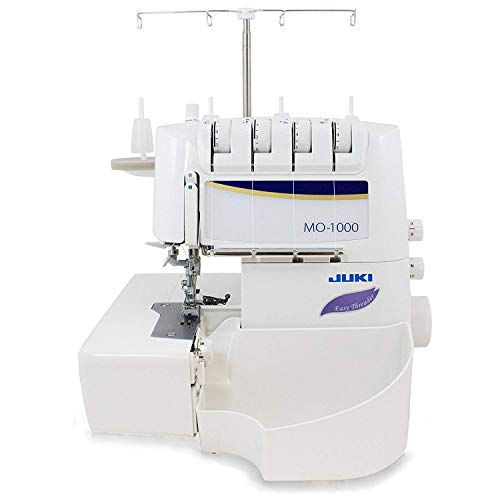 Juki MO-1000 Juki MO-1000 | $1,293.37 | Not listed | Jet air looper threading | Frequent color changes | Price |
 Janome AirThread 2000D Janome AirThread 2000D | $1,399.00 | 2, 3 or 4 | One-push air, needle threader | Best premium | Price |
 Juki MO-735 Juki MO-735 | $1,295.00 | Up to 5 | Standard | Serger plus cover hem | Price |
Beginner
Beginner picks: dependable overlocking, $250 to $360
These are mechanical 3 or 4 thread sergers with manual looper threading. They finish seams and sew knits beautifully once threaded, and color-coded guides make threading manageable.
Brother 1034D Serger
$284.99A metal-frame 3 or 4 thread serger at up to 1,300 stitches per minute, with color-coded threading and standard, gathering and blind stitch feet. It is the best-known home serger for a reason: widely available parts, tutorials and advice.
Best for: The best value first serger
Check price Singer S0100 Serger Overlock Machine
$253.95Arrives pre-threaded, with 2, 3 or 4 thread options, adjustable differential feed and color-coded threading. The 2-thread option is unusual at this price.
Best for: The lowest-cost start
Check price Brother ST4031HD Strong and Tough Serger
$342.22A heavier-duty 3 or 4 thread serger with a metal frame, an extra hard carbon steel blade, three accessory feet and a large extension table, suited to denim edges and fleece.
Best for: Thicker fabrics
Check price Janome 8002D Serger
$360.00A mechanical 3 or 4 thread Janome with adjustable differential feed, color-coded threading and clearly marked tension dials, which make small adjustments easier to see and repeat.
Best for: Easy-to-read tension settings
Check pricePrices change often, so confirm on Amazon. As an Amazon Associate we earn from qualifying purchases.
Intermediate
Intermediate picks: better stitches and more options, $600 to $900
This tier adds 2-thread stitches, 5-thread safety stitches, easier lower looper threading and more refined stitch quality.
Juki Pearl Line MO-654DE Serger
$599.00Juki's Pearl Line 2, 3 or 4 thread overlocker, widely recommended by sewing teachers for consistent stitch formation, bundled with Juki's workbook and instructional video.
Best for: Garment sewists who want the best standard serger
Check price Janome MyLock 634D Serger
$699.00A 2-needle 2, 3 or 4 thread serger with a self-threading lower looper, lay-in tension dials, quick change rolled hem, a retractable upper knife and differential feed from 0.5 to 2.25.
Best for: Rolled hems and easier threading
Check price Singer Professional 14T968DC Serger
$649.99Sews 2, 3, 4 or 5 thread stitches, including the 5-thread safety stitch used on woven seams, with a fully automatic self-adjusting tension system.
Best for: Woven garments and safety stitch seams
Check price Brother AIR1800 Air Threading Serger
$899.99Push-button air threading blows thread through the loopers, and it sews 2, 3 or 4 thread stitches with one or two needles, including overlock, flatlock and rolled hem.
Best for: Air threading without flagship prices
Check pricePrices change often, so confirm on Amazon. As an Amazon Associate we earn from qualifying purchases.
Expert
Expert picks: air threading and combination machines, $1,200 to $1,400
Who should NOT buy this tier: anyone who sews knits only occasionally, or who is happy re-threading a standard serger with the tie-on method. You pay for convenience and versatility here, not for better seams on a basic T-shirt.
Janome AirThread 2000D Serger
$1,399.00One-push air looper threading, 2, 3 or 4 thread options, an 8-piece feed dog system, lay-in tension, a built-in one-step 2-thread converter and a needle threader for the needles you still thread by hand.
Best for: The easiest premium serger
Check price Juki MO-1000 Air Threading Serger
$1,293.37Juki's premium home serger with push-button jet air looper threading, for sewists who change thread colors often and want threading to take seconds.
Best for: Frequent color changes
Check price Brother Airflow 3000 Air Threading Serger
$1,199.99Brother's upper-tier air threading overlocker with three presser feet and a brightly lit work area, which helps when matching thread to dark fabric.
Best for: A well-lit air threading serger
Check price Juki MO-735 5-Thread Serger and Cover Hem Machine
$1,295.00A 5-thread combination machine that serges and sews cover hems, so one machine handles overlocked seams and knit hems. Switching between modes means rethreading, so it suits sewists short on space more than time.
Best for: One machine for seams and hems
Check pricePrices change often, so confirm on Amazon. As an Amazon Associate we earn from qualifying purchases.
What is a serger and what does it do?
A serger uses one or two needles and two loopers (hooked arms below and above the fabric) to wrap thread around the edge of a seam, while a knife trims the fabric just ahead of the needles. The result is a finished, flexible seam that does not fray.
Two features define how a serger behaves. Differential feed uses two sets of feed dogs moving at adjustable relative speeds, so you can prevent stretched, wavy knit seams or gather fabric on purpose. Thread count options decide which stitches you can sew, from narrow rolled hems to sturdy 5-thread seams. Our guide to using a serger walks through the basics.
What do 2, 3, 4 and 5 thread serger stitches do?
More threads generally means a stronger, wider seam. Here is what each option is used for, and which machines offer it.
| Threads | Stitch | Used for | Machines with it |
|---|---|---|---|
| 2-thread | Overlock, flatlock, rolled hem | Light edge finishing, fine rolled hems, flatlock seams | Juki MO-654DE, Singer S0100, Janome AirThread 2000D |
| 3-thread | Overlock, rolled hem | Edge finishing wovens, rolled hems on napkins and scarves | All picks |
| 4-thread | Overlock with safety line | Construction seams on knits, activewear, T-shirts | All picks with 4-thread options |
| 5-thread | 2-thread chain plus 3-thread overlock | Strong seams on woven garments | Singer 14T968DC, Juki MO-735 |
| Cover hem | Chain and cover stitches | Knit hems that stretch | Juki MO-735, or a separate coverstitch machine |
Do I need special thread for a serger?
You do not strictly need it, but serger thread is the practical choice. It is sold on large cones because a serger uses three to five spools at once and far more thread than a sewing machine. Serger thread is usually a slightly finer polyester, which keeps seams soft and less bulky.
- Cones vs spools: cones feed smoothly from a serger's thread stand. Regular spools work with a spool cap.
- Colors: many sewists buy cones in white, black, grey and a neutral beige, and blend with fabric rather than matching every project.
- Specialty threads: textured nylon (often called woolly nylon) in the loopers gives soft, stretchy rolled hems and swimwear seams.
For weight comparisons across brands, see the thread weight chart.
Serger vs sewing machine: do you need both?
For most people, yes, if you want to sew garments regularly. A serger cannot sew buttonholes, zippers, topstitching or most construction steps that need a single row of straight stitching. A sewing machine can finish seams, but more slowly and with less stretch. They are partners. Read serger vs sewing machine for a side-by-side, and serger vs coverstitch if you are wondering which knit machine comes next.
How much does a good serger cost?
A reliable serger starts around $250 and climbs to about $1,400 for air threading and combination models. What changes along the way is ease of threading, the number of stitch types, tension automation and stitch refinement.
| Price band | Typical features | Examples |
|---|---|---|
| $250 to $360 | 3 or 4 threads, color-coded manual threading, differential feed | Brother 1034D, Janome 8002D |
| $600 to $700 | 2-thread options, easier lower looper, 5-thread on some | Juki MO-654DE, Janome MyLock 634D |
| About $900 | Air looper threading | Brother AIR1800 |
| $1,200 to $1,400 | Premium air threading or serger and cover hem combos | Janome AirThread 2000D, Juki MO-735 |
Comparing the two most popular standard models? See Brother 1034D vs Juki MO-654DE.
How we chose
We did not test these sergers in person. We compared manufacturer specifications (thread options, needles, threading method, differential feed ratios, knife and tension systems), owner manuals, and recurring themes in verified owner reviews and sewing instructor recommendations about stitch quality, threading difficulty and reliability. We favored models with good parts, needle and presser foot availability.
Buying tips
- Buy four cones of serger thread in a neutral color with the machine.
- Learn the tie-on method: tie new thread to old and pull it through, which avoids full rethreading on standard sergers.
- Check which needle system your serger uses; many take household needles, but not all.
- Keep a small brush and lint cleaner nearby; sergers make much more lint than sewing machines.
- Place a waste bin or trim catcher under the knife; trimmings pile up quickly.
Frequently asked questions
What is the best serger for home use?
The Juki MO-654DE is the best serger for most home sewists, a 2, 3 or 4 thread machine known for consistent stitch quality and backed by a workbook and instructional video. The Brother 1034D is the best budget choice under $300. If threading is the main worry, the Brother AIR1800 and Janome AirThread 2000D thread the loopers with a push of a button.
What is the difference between a 3 thread and 4 thread serger stitch?
A 3-thread overlock uses one needle and two loopers to finish edges and sew lightweight seams; it is narrower and good for rolled hems. A 4-thread overlock adds a second needle, creating an extra line of stitching that makes seams stronger and more secure, which is ideal for knit garments and activewear. Most home sergers sew both.
Is a 5 thread serger worth it?
A 5-thread serger adds a 2-thread chain stitch beside a 3-thread overlock, creating a very strong seam that suits woven garments and home decor. Most knit and T-shirt sewing only needs 4 threads, so many home sewists never miss it. It is worth it if you sew lots of wovens, or if you want a combination machine like the Juki MO-735 that also sews cover hems.
What is differential feed on a serger?
Differential feed uses two sets of feed dogs, front and back, that can move at different speeds. Setting the front feed faster than the back, above a ratio of 1, stops knits from stretching into wavy seams and can gather fabric. Setting it below 1 prevents lightweight fabric from puckering. Adjustable differential feed is standard on nearly all modern home sergers.
Can a serger replace a sewing machine?
No. A serger finishes and sews seams, especially on knits, but it cannot sew buttonholes, insert most zippers, topstitch or sew a single straight line away from an edge. Many T-shirts and leggings can be sewn mostly on a serger, but you still need a sewing machine for hems, bindings and details, or a coverstitch machine for professional knit hems.
How long does it take to learn to use a serger?
Most sewists can sew a basic 4-thread seam within an afternoon, especially on a pre-threaded machine. Threading from scratch, adjusting tension and switching to rolled hems take a few more practice sessions. Following the manual threading order exactly, and practicing the tie-on method for color changes, shortens the learning curve considerably.
How we research: we compare manufacturer specifications, owner manuals, published standards and recurring themes in verified owner reviews. We do not test products in person, and this is researched guidance, not professional advice. Follow your machine manual and pattern, and take care with rotary cutters, hot irons and needles. As an Amazon Associate we earn from qualifying purchases.