Microtex (Sharp) Sewing Machine Needles: What They Are For and Which Size to Use
Microtex (Sharp) needles have a very slim acute point. They are best for microfiber, silk, batiks, precise piecing and topstitching, and not for knits. Common sizes run from 60/8 to 110/18. Schmetz marks them with a purple band.
Choose size by thread thickness and fabric weight; choose type by fabric (Schmetz). Thread pairings are starting points from thread makers; test on a scrap.
| Point | Very slim acute point |
|---|---|
| Best for | Microfiber, Silk, Batiks, Precise piecing and topstitching |
| Avoid for | Knits |
| Sizes | 60/8, 70/10, 80/12, 90/14, 100/16, 110/18 |
| Schmetz color band | Purple |
Which size microtex (sharp) needle should you use?
| Size | Fabrics | Thread weights |
|---|---|---|
| 60/8 | Silk chiffon, Organza, Batiste, Fine lawn | 80 to 100 wt |
| 70/10 | Lawn, Voile, Silk, Lightweight knits | 60 to 80 wt |
| 80/12 | Quilting cotton, Shirting, Poplin, Linen (light to medium) | 40 to 50 wt |
| 90/14 | Light to medium denim, Twill, Corduroy, Fleece | 28 to 40 wt; heavier threads on a Topstitch needle |
| 100/16 | Heavy denim, Canvas, Upholstery, Leather | 12 to 30 wt (use a Topstitch needle for 12 wt) |
| 110/18 | Heavy canvas, Upholstery, Heavy denim, Leather | Heavy and topstitching threads |
How do needle types compare?
| Type | Point | Color band |
|---|---|---|
| Universal | Slightly rounded point | None |
| Jersey (Ball Point) | Medium ball point that slips between knit fibers | Orange |
| Stretch | Medium ball point with special eye and scarf to prevent skipped stitches | Yellow |
| Jeans / Denim | Medium ball point with reinforced blade | Blue |
| Microtex (Sharp) | Very slim acute point | Purple |
| Quilting | Special taper to a slightly rounded point | Green |
| Embroidery | Light ball point with wide eye and groove | Red |
| Metallic | Elongated eye that reduces shredding | Pink |
| Topstitch | Sharp point with extra-long eye | Light green |
| Leather | Cutting point | Brown |
| Twin (Double) | Two needles on one shank; point type matches the base needle (Universal, Stretch, Jeans, etc.) | None |
| Hemstitch (Wing) | Flared wings beside the blade that open holes | None |
| Titanium-Coated (Schmetz Gold Embroidery) | Embroidery-style point with titanium nitride coating for longer life | None |
| Super NonStick | Anti-adhesive coating with extra-large eye | None |
When in doubt, test
Sew a few inches on a scrap of the same fabric, folded to the same thickness. Skipped stitches usually mean the wrong type; shredded thread usually means the eye is too small.
Needles and machines

SCHMETZ Gold Jeans Sewing Machine Needles, Size 100/16
$8.99Keep a pack of heavier needles on hand for hems, denim and bag projects.
Check price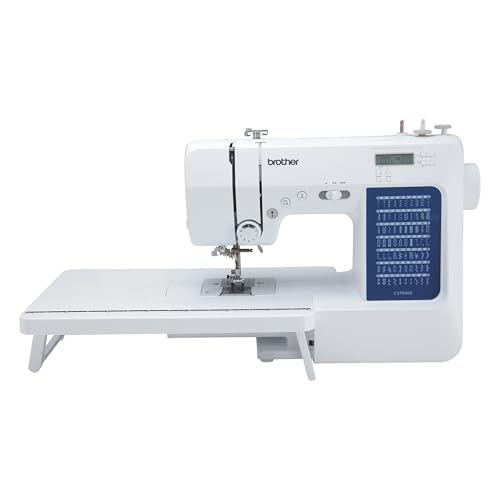
Brother CS7000X Computerized Sewing and Quilting Machine
$279.99A beginner-friendly computerized machine that takes standard household needles.
Check price
Juki HZL-G120 Computerized Sewing Machine
$819.00A box-feed garment machine that feeds light and stretchy fabrics evenly.
Check pricePrices change often, so confirm on Amazon. As an Amazon Associate we earn from qualifying purchases.
Frequently asked questions
What are microtex (sharp) needles used for?
Microtex (Sharp) needles have a very slim acute point and are best for microfiber, silk, batiks, precise piecing and topstitching. Choose the needle type by fabric first, then the size by fabric weight and thread thickness.
What sizes do microtex (sharp) needles come in?
Schmetz lists microtex (sharp) needles in 60/8, 70/10, 80/12, 90/14, 100/16, 110/18. Use the smaller sizes for lighter fabrics and finer thread, and the larger sizes for heavier fabrics and thicker thread.
When should you not use microtex (sharp) needles?
Avoid microtex (sharp) needles for knits. Using the wrong point can cause skipped stitches, runs in knits or damage to the fabric, so match the needle to the fabric before you start.
What color band are microtex (sharp) needles?
Schmetz marks microtex (sharp) needles with a purple band on the shank, above a second band showing the size. The color code helps you pick the right needle out of the pincushion, but other brands use different or no color codes.
How often should you change sewing machine needles?
Many sewists change the needle every 6 to 8 hours of sewing or with each new project, and right away after hitting a pin. Signs of a dull or bent needle include skipped stitches, a popping sound, snags and puckered seams.
How we research: we compare manufacturer specifications, owner manuals, published standards and recurring themes in verified owner reviews. We do not test products in person, and this is researched guidance, not professional advice. Follow your machine manual and pattern, and take care with rotary cutters, hot irons and needles. As an Amazon Associate we earn from qualifying purchases.